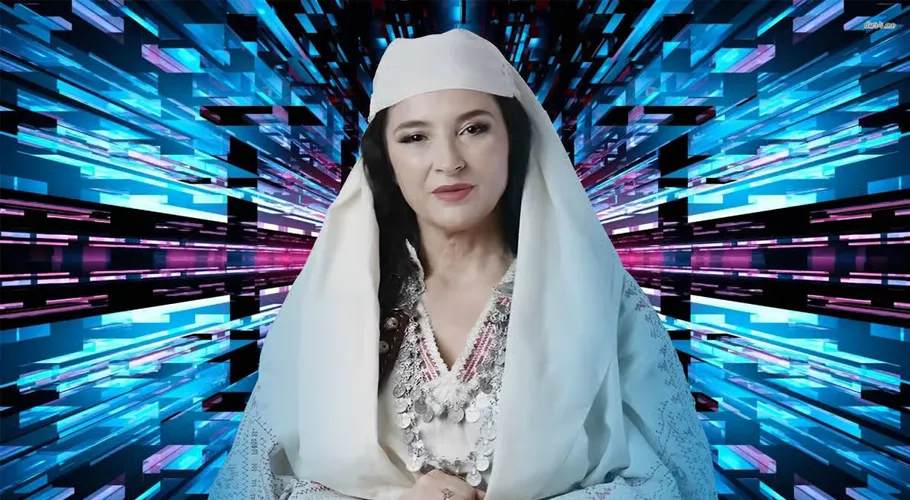
Albanian Prime Minister Edi Rama’s announcement that the country’s AI-generated minister, Diella, is “pregnant” is a metaphor for a new government initiative involving AI.
Speaking at the Berlin Global Dialogue in October 2025, Rama announced that Diella would “give birth” to 83 digital children, or virtual assistants.
🇦🇱Prime Minister Edi Rama presents how AI in Govt is the practical reform tool today. #Albania leads a
global tranformation how to better
serve the citizens.#Diella on her first appearance abroad featured today in #Berlin @AlbanianDiplo#BerlinGlobalDialogue 🇩🇪🇪🇺 pic.twitter.com/MxW0TzqhlR— Adia Sakiqi (@adiasakiqi) October 25, 2025
The development comes just days after Ohio lawmakers introduced a bill that would ban AI from marrying humans or gaining legal rights, underscoring how rapidly the global debate around artificial intelligence is evolving.
While Albania embraces a future where an AI can lead a ministry and “give birth” to digital aides, other governments are moving to draw strict lines around AI personhood.
Who is Diella?
Diella, whose name is the Albanian word for “sun,” was appointed as the world’s first AI-generated minister in September 2025.
View this post on Instagram
Diella’s primary mandate is to oversee public procurement to reduce corruption and increase transparency in government contracts. This move is part of Albania’s efforts to align with EU accession requirements.
Before her ministerial appointment, Diella was introduced in January 2025 as a virtual assistant on the e-Albania platform, helping citizens with government services.
Diella’s appointment has been controversial within Albania. Opposition politicians have called the move “techno-theatrical,” with some walking out of parliament in protest during her first address. There are also constitutional and ethical questions regarding accountability for the AI’s decisions.
What will the AI “children” do?
The 83 new AI assistants, one for each member of the ruling Socialist Party in the Albanian parliament, are being developed to support lawmakers. Their specific tasks include:
- Participating in parliamentary sessions
- Taking notes and keeping a record of events
- Informing MPs about missed debates
- Suggesting responses for lawmakers
Rama explained that these digital assistants would “have their mother’s knowledge” and are designed to improve government efficiency and transparency. The government expects the system to be fully operational by the end of 2026.
https://archive.mmnews.tv/now-you-can-use-meta-ai-in-urdu/