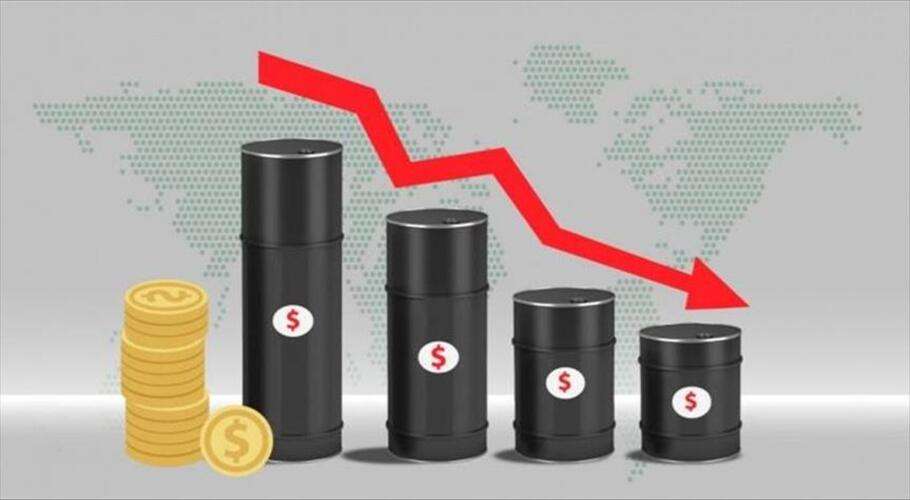










Pakistan’s non-textile exports fell by 16.54% in the first quarter of the current fiscal year (July–September 2025), mainly due to a significant decline in raw food exports, according to a report published in Dawn citing data from the Pakistan Bureau of Statistics (PBS).
The sharp drop in raw food exports was primarily driven by a fall in rice exports, which showed a negative trend for the first time after 19 consecutive months of growth.
According to PBS data, the value of non-textile exports dropped from $3.85 billion in Q1 FY2025 to $2.825 billion in Q1 FY2026. The decline in rice exports began in July 2025, reportedly due to disruptions in the supply chain.
The decline in food exports was led primarily by a steep fall in rice exports, which dropped by 42.02% year-on-year, affecting both Basmati and non-Basmati varieties. Within this, Basmati rice exports saw a 45.56% drop in volume and a 43.64% decline in value, while non-Basmati rice exports declined by 41.10% in value and 22.13% in quantity.
Other food products also faced setbacks. Tobacco exports fell by 48.21%, spices by 8.71%, and vegetable exports dropped by 41.14% compared to the same period last year.
In contrast, some categories recorded gains. Meat exports rose by 5.59%, fruits saw a 17.04% increase, and fish and related products surged by 27.81%, offering some relief in the overall food export performance.
Among non-food value-added exports, engineering goods registered a 1.98% increase, driven by improved performance in electric fans, automobile parts, and rubber tires. Cement exports experienced significant growth, with the quantity rising by 41.01% and the value increasing by 51.86%.
The footwear sector showed mixed results. Overall footwear exports increased by 0.99%, but leather shoes declined by 2%, and canvas shoes dropped sharply by 27.44%. Leather goods exports saw a modest 1.46% rise, including a 2.22% increase in leather garments and a 0.36% rise in gloves, although raw leather exports decreased by 3.69%.
Although Pakistan is a key exporter of surgical instruments, the category recorded only a 1.52% growth, as many of these instruments are rebranded and marketed by international brands in Western countries, limiting the value-added benefit for Pakistan.
In other export categories, carpets and rugs declined by 12.72%, while sports goods increased by 19.19%, primarily due to a 26.95% surge in football exports.
On the downside, exports of jaggery (gur) fell by 23.15%, jewelry by 98.71%, handicrafts by 94.38%, precious stones by 5.60%, furniture by 12.60%, and molasses by a staggering 85.15%.