










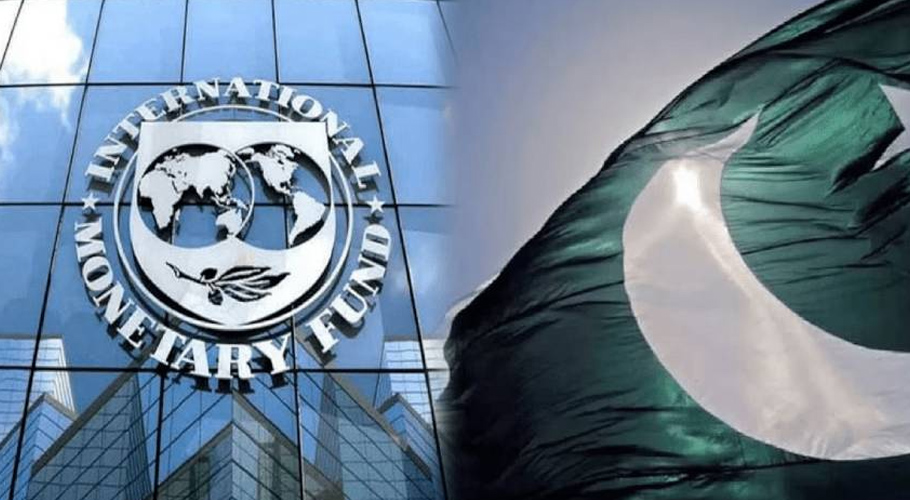
Islamabad: After rejecting the proposal to increase taxes on fertilizers and agricultural pesticides, Pakistan and the International Monetary Fund (IMF) are now exploring the possibility of raising tax rates on solar panels, internet services, and other sectors to generate additional revenue in case of a shortfall.
According to sources, these proposed “emergency tax measures” will be included in the IMF’s second review report, which will be released after the Fund’s Executive Board approves the third tranche of $1 billion for Pakistan.
These measures will be implemented if revenue shortfalls during the first half of the fiscal year (July–December) exceed the set threshold, or if the Ministry of Finance fails to control expenditures.
As per the Federal Board of Revenue (FBR), the IMF has been informed that, if required, imported solar panels could face an increase in GST from 10% to 18%, effective January 2026. Similarly, the withholding tax on internet services may be raised from 15% to 18% or even 20%.
The FBR estimates that in the coming years, imported solar panels could have the capacity to generate 25,000 to 30,000 megawatts of electricity. Currently, rooftop solar panels are producing around 6,000 megawatts, a figure that could easily double.
Officials noted that the government is seeking ways to limit the expansion of solar power, as reduced dependence on the national grid system has sharply increased capacity payments, which are projected to reach Rs 1.7 trillion this fiscal year.