











Under the Constitution of Pakistan, the federal government holds the authority to ban any political or religious party found involved in activities that promote violence, spread unrest, or threaten national security.
According to the legal procedure, the process begins when the Ministry of Interior prepares a summary recommending a ban on the concerned party.
The summary is then approved by the federal cabinet. Once approved, the Ministry of Interior issues a formal notification declaring the party as banned.
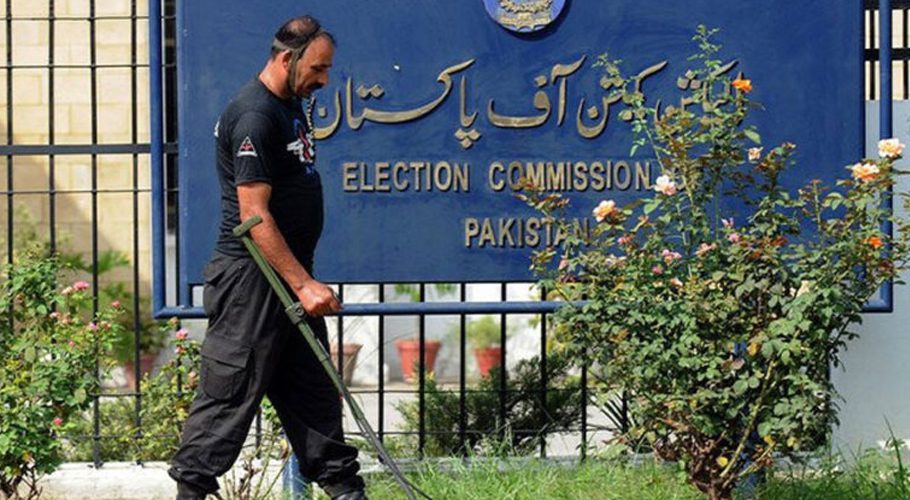
Following this notification, the Election Commission of Pakistan (ECP) de-lists the party and cancels its registration. As a result, if the banned party has any representation in national or provincial assemblies, those members automatically lose their seats.
However, ECP officials clarify that if a party member formally notifies the Speaker in writing about resigning from the party before the ban notification is issued, their membership remains intact.
Otherwise, their seats are vacated, and they are barred from contesting by-elections as independents.
A banned party has the right to appeal the government’s decision in the Supreme Court of Pakistan. The appeal, in the form of a reference, must be filed within 15 days of the federal cabinet’s decision.
If the Supreme Court upholds the federal government’s ban, the party ceases to exist legally. This means the government seals its offices, freezes its bank accounts, and confiscates all assets. The banned organization is also disqualified from participating in future elections.
Legal experts note that under Article 17 of the Constitution, all political parties are also required to disclose their sources of funding, ensuring transparency in their financial affairs.