










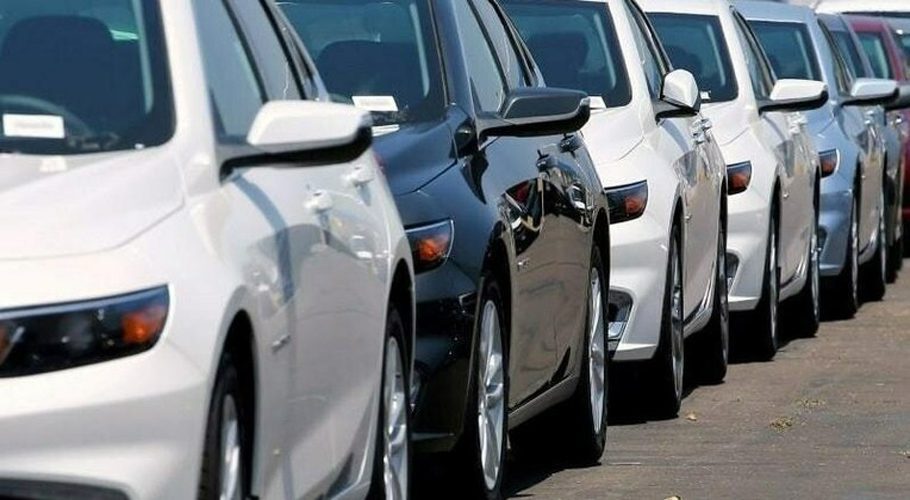
The Pakistan Association of Automotive Parts and Accessories Manufacturers (PAAPAM) has expressed deep concern over the recent pressure from the IMF regarding trade liberalization. Specifically, it has raised objections to proposals for reducing tariff protections and allowing commercial imports of used vehicles.
PAAPAM Chairman Usman Aslam Malik said that trade liberalization should not come at the cost of deindustrialization and financial leakage.
He further said that large-scale imports of used vehicles — which often fail to meet modern safety and emissions standards — could undermine efforts to localize the production of New Energy Vehicles (NEVs) in Pakistan.
PAAPAM has demanded clarification on how such imports align with national stability and industrial goals.
Furthermore, the association questioned whether trade liberalization is being applied across all sectors or if the automotive sector is being selectively targeted. If it is limited to vehicles, PAAPAM urged policymakers to explain the rationale and framework behind such market distortion.
PAAPAM also pointed out weaknesses in the current import schemes, where vehicles brought in under the names of overseas Pakistanis — bypassing taxes and regulatory oversight — are sold locally. Informal payment methods like hundi facilitate capital flight and compromise financial transparency.