










Pakistan’s short-term inflation saw a modest uptick in the outgoing week, with the Sensitive Price Indicator (SPI) rising 0.31 percent compared to the previous week, the Pakistan Bureau of Statistics (PBS) reported on Friday. On a yearly basis, prices were 2.21 percent higher than during the same period last year.
The SPI, which tracks the cost of 51 essential commodities across 50 markets in 17 cities, serves as a key tool for policymakers to gauge short-term price movements and inflationary pressures.
What’s Driving the Weekly Increase?
PBS data shows that of the 51 essential items monitored:
17 items recorded price increases
9 items saw declines
25 items remained unchanged
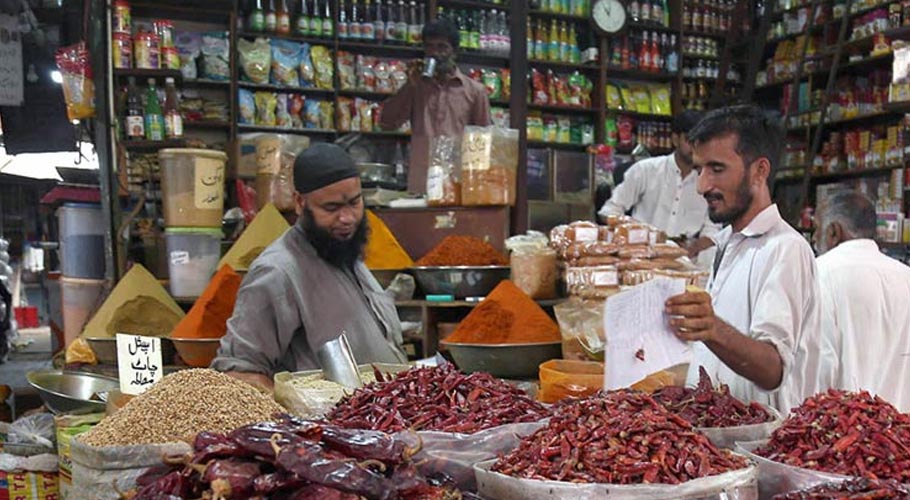
The latest spike was primarily fuelled by higher prices of perishable and staple food items:
Tomatoes: up 12.62%
Chicken: up 4.68%
Eggs: up 2.11%
Onions: up 1.98%
Garlic: up 1.60%
Wheat flour: up 1.44%
Other notable increases were seen in gur (jaggery), pulse mash, and firewood.
Items That Became Cheaper
Several commodities provided some relief to consumers:
Bananas: down 2.52%
Potatoes: down 1.65%
Pulse gram: down 0.84%
Pulse moong: down 0.73%
LPG: down 0.36%
Smaller drops were recorded in pulse masoor, vegetable ghee, salt, and rice.
Annual Trends: What’s Costing More and Less?
On a year-on-year basis, the steepest increases were noted in:
Ladies’ sandals (+55.62%)
Gas charges for Q1 (+29.85%)
Sugar (+22.83%)
Beef (+13.54%)
Onions: down 52.10%
Tomatoes: down 34.33%
Garlic: down 26.71%
In the construction materials segment, the average price of a 50kg bag of cement inched up to Rs1,412, while the price of Sona urea fertiliser remained steady at Rs4,405.
Economists note that while the weekly rise is modest, the persistence of food-related price increases—especially in volatile commodities like tomatoes, chicken, and onions—continues to put pressure on household budgets, particularly in lower-income communities.