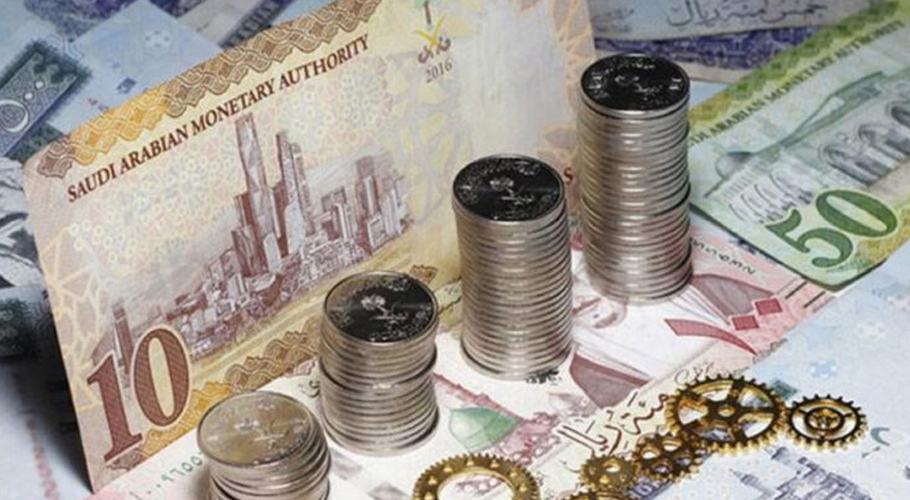
The Saudi Riyal (SAR) continued its slight downward trend against the Pakistani Rupee (PKR), slipping to Rs75.28 in the open market on August 8.
This marks a modest decline from Rs75.30 recorded on August 6, and a more noticeable drop from Rs76.03 observed on July 28, according to currency traders.
The current selling rate has also adjusted to Rs75.85. This movement reflects ongoing market corrections and the consistent inflow of remittances from overseas Pakistanis, particularly from Saudi Arabia — one of the country’s largest sources of foreign exchange.
Despite the dip, the Saudi Riyal remains a pillar of Pakistan’s financial ecosystem due to its dollar peg and stability.
For millions of Pakistani households dependent on remittances from Saudi Arabia, the Riyal’s dip has slight but tangible effects. A remittance of 1,000 Saudi Riyals now converts to Rs75,280 — a marginal drop from Rs75,300 just two days ago. While the change may seem minor, it can translate to reduced spending power for families already struggling with rising costs of education, healthcare, and daily necessities.
However, the Riyal’s relative strength still provides considerable support to these families, and the consistent flow of foreign currency remains vital for Pakistan’s consumption-driven economy.
The decline also brings relief for businesses involved in importing goods such as petroleum products, petrochemicals, and industrial equipment from Saudi Arabia. As the Riyal weakens slightly against the Rupee, import costs become marginally cheaper, easing pressure on Pakistan’s trade deficit.
Given the Riyal’s stable peg with the US Dollar, the slight appreciation of the Rupee also signals improved currency market confidence — a welcome sign amid Pakistan’s ongoing economic reforms.
On a macroeconomic scale, the Riyal’s performance has contributed to strengthening Pakistan’s foreign exchange reserves, which crossed $11 billion in October 2024.
Higher reserves have been instrumental in managing inflation, servicing external debt, and boosting investor confidence.
Moreover, a slightly weaker Rupee against key currencies can also make Pakistani exports more competitive in international markets, potentially driving growth in export-oriented sectors such as textiles, rice, and IT services.
While the Riyal’s dip to Rs75.28 is part of a broader corrective trend, its impact is nuanced. It simultaneously helps improve trade metrics and foreign reserves while exerting slight pressure on remittance-dependent households.
As Pakistan moves toward economic stabilization, the Riyal’s movement will remain a closely watched indicator of financial health and regional economic ties.