










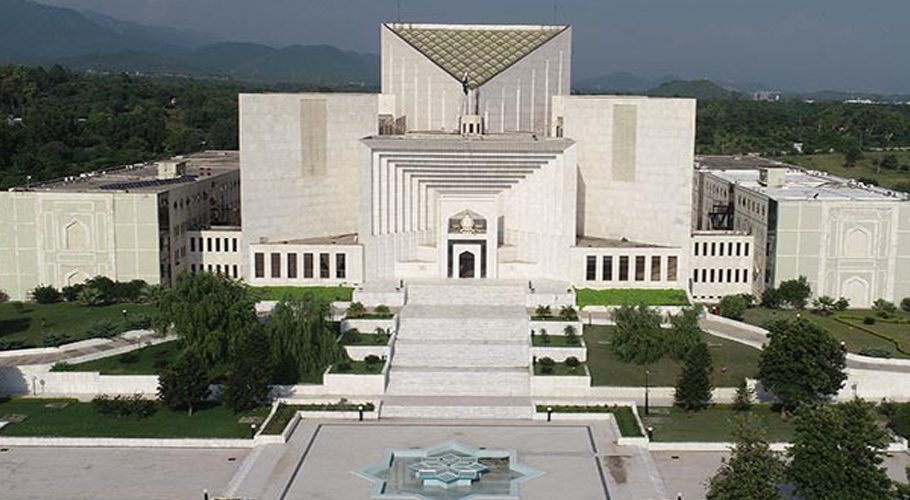
The Supreme Court of Pakistan on Wednesday ruled that a divorced daughter is entitled to receive her deceased father’s pension, saying that pension rights must be determined by entitlement and not by marital status.
Justice Ayesha Malik authored a detailed 10-page verdict, emphasizing that pension is a legal right of a government employee and not a discretionary benefit or form of charity. “Women’s access to pension should be determined by financial need, not their marital condition,” the ruling stated.
The apex court declared a 2022 circular issued by the Sindh government unconstitutional. The circular had barred divorced daughters from claiming their deceased fathers’ pensions, a move the court found discriminatory and in violation of Pakistan’s legal and constitutional framework as well as its international obligations on gender equality.
The case originated from a petition filed by a divorced daughter seeking to resume receiving her late father’s pension. The Larkana Bench of the Sindh High Court had ruled in her favor, but the Sindh government appealed the decision in the Supreme Court.
Dismissing the appeal, the Supreme Court upheld the High Court’s decision, ruling that the denial of pension based on a daughter’s marital status violates Articles 9 (security of person), 14 (dignity of man), 25 (equality before law), and 27 (non-discrimination in services) of the Constitution of Pakistan.