










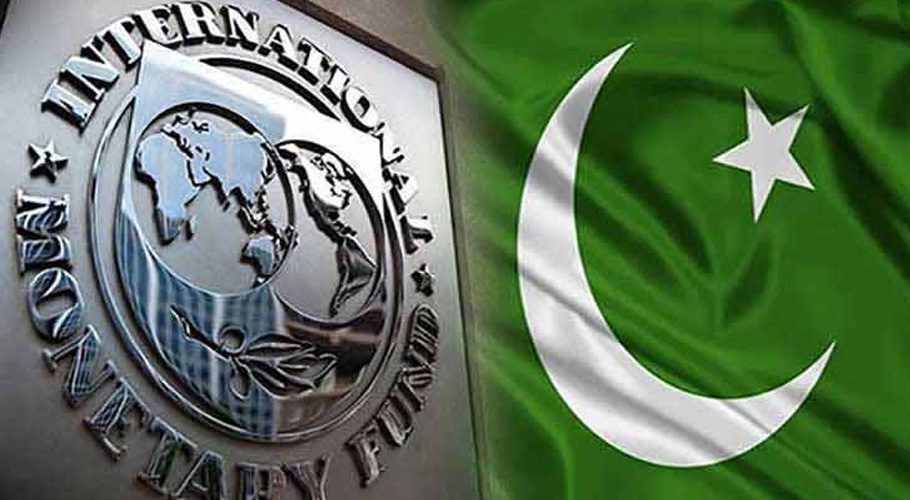
Pakistan and the International Monetary Fund (IMF) have reached a three-year, $7 billion bailout program for the South Asian country.
This was announced by the IMF late on Friday. According to a statement issued by the International money lender, the new program, which needs to be validated by the fund’s Executive Board, should enable Pakistan to “cement macroeconomic stability and create conditions for stronger, more inclusive and resilient growth.
“The Pakistani authorities and the IMF team have reached a staff-level agreement on a comprehensive program endorsed by the federal and provincial governments, that could be supported by a 37-month Extended Fund Arrangement (EFF) in the amount equivalent to SDR 5,320 million (or about $7 billion at current exchange rates),” the statement read.
Faced with chronic mismanagement, Pakistan’s economy has found itself on the brink, challenged by the Covid-19 pandemic, the effects of the war in Ukraine and supply difficulties that fuelled inflation, as well as record flooding that affected a third of the country in 2022.
With its foreign currency reserves dwindling, Pakistan found itself in a debt crisis and was forced to turn to the IMF, obtaining its first emergency loan in the summer of 2023.
The latest bailout, coming to Pakistan in the form of loans, follows a commitment by the government to implement reforms, including a major effort to broaden the country’s tax base.
In this regard, the authorities plan to increase tax revenues through measures of 1.5% of GDP in FY25 and 3% of GDP over the program.
In particular, the recently approved FY25 budget targets an underlying general government primary surplus of 1% of GDP (2 percent in headline terms).
Revenue collections will be supported by simpler and fairer direct and indirect taxation, including by bringing net income from the retail, export, and agriculture sectors properly into the tax system.