






The American Ornithological Society made an announcement on Wednesday that birds in North America will undergo a renaming process, no longer being named after individuals. In the coming year, approximately 80 bird species found in the United States and Canada will be given new names.
Colleen Handel, the president of the organization, emphasized the significance of names and their historical associations, which can perpetuate exclusion and harm. She stated, “There is power in a name, and some English bird names have associations with the past that continue to be exclusionary and harmful today. Everyone who loves and cares about birds should be able to enjoy and study them freely.”
Rather than reviewing each bird named after a person on a case-by-case basis, the organization has decided to rename all such birds collectively.
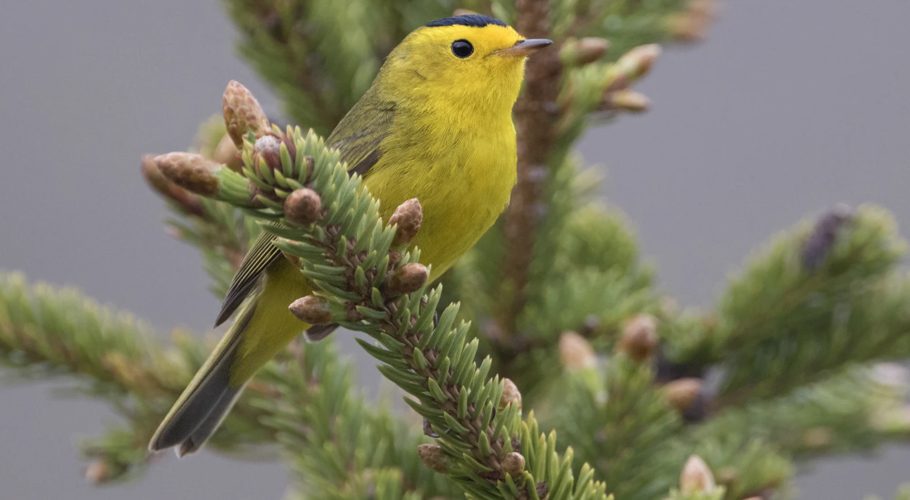
Among the birds set to be renamed are species currently known as Wilson’s warbler and Wilson’s snipe, both originally named after the 19th-century naturalist Alexander Wilson. Audubon’s shearwater, a seabird named after John James Audubon, will also receive a new name.
Also read: What to know about Trump’s fraud trial
In 2020, the organization previously renamed a bird that had been associated with a Confederate Army general, John P. McCown, as the thick-billed longspur.
Emily Williams, an ornithologist at Georgetown University who was not part of the decision-making process, expressed her happiness and excitement regarding the announcement. She noted that discussions on bird names have been ongoing within birdwatching communities for several years and suggested that naming birds based on habitat or appearance is a less problematic approach.
In contrast, the National Audubon Society, which has faced criticism for its association with John James Audubon, has decided to retain its name. John James Audubon’s family had owned slaves, leading to calls for a name change. Susan Bell, the chair of the National Audubon Society’s Board of Directors, explained that the name now represents more than just one person’s work and emphasized the need to acknowledge and address the racist legacy associated with John James Audubon.
A significant moment that highlighted discrimination against Black individuals in outdoor settings occurred in New York’s Central Park in 2020. Christian Cooper, a Black birdwatcher, had asked a white woman, Amy Cooper, to leash her dog in accordance with local rules while he was birdwatching. She called 911, and although charges were later dropped, he was initially charged with filing a false police report. This incident led to increased awareness of the challenges Black people face when enjoying outdoor activities.
In response to such incidents, a group of birdwatchers organized the first Black Birders Week to increase the visibility of Black nature enthusiasts and scientists. Additionally, a group called Bird Names for Birds petitioned the ornithological society, urging them to develop a plan to change harmful common names of birds.