







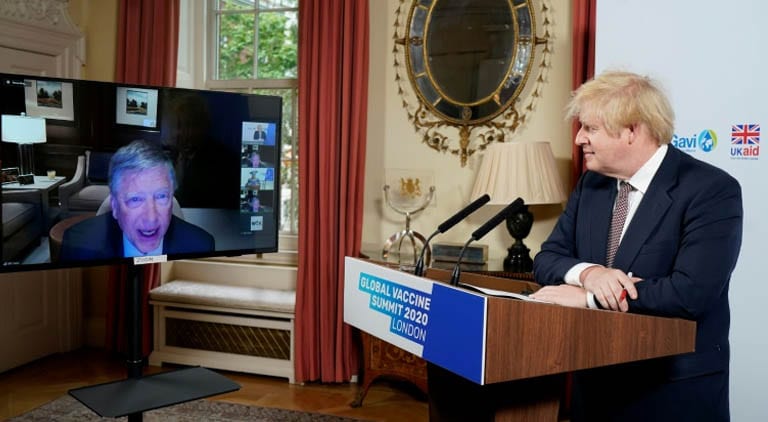
LONDON: Governments around the world have pledged $8.8 billion for global vaccines alliance Gavi to help immunisation programmes disrupted by coronavirus pandemic.
The online meeting beat a target to raise $7.4 million to provide vaccines at a much-reduced cost to 300 million children worldwide over the next five years. More than 50 countries took part as well as individuals such as billionaire philanthropist Bill Gates, whose foundation pledged $1.6 billion.
Gavi also launched a new initiative to purchase potential COVID-19 vaccines, scale production and support delivery to developing nations, which raised $567 million in seed money.
“Together, we rise to fulfil the greatest shared endeavour of our lifetimes — the triumph of humanity over disease,” said British Prime Minister Boris Johnson, who hosted the summit. “Today we make the choice to unite, to forge a path of global cooperation.”
Scientists around the world are racing to develop and test a coronavirus vaccine. United Nations Secretary-General Antonio Guterres has stressed that it must be available to everyone.
“A vaccine must be seen as a global public good — a people’s vaccine, which a growing number of world leaders are calling for,” he said in a video message, adding that there needs to be global solidarity to ensure that every person, everywhere, has access to any vaccine.
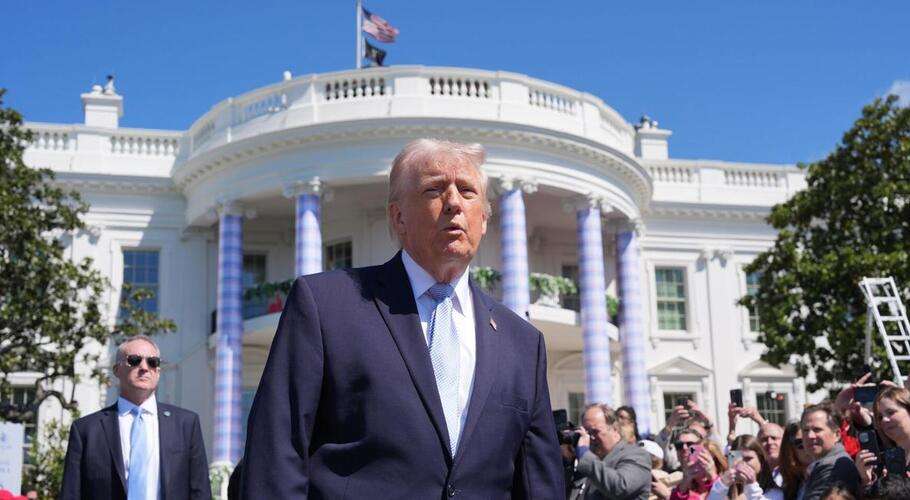
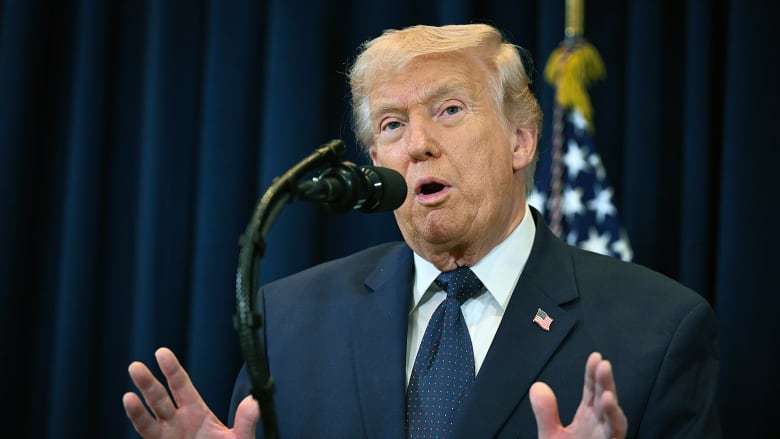
The pandemic has exposed new ruptures in international cooperation, notably with US President Donald Trump’s decision to pull out of the World Health Organisation (WHO).
Gavi chief executive Seth Berkley insisted there must be a global perspective. “At the end of the day, if you have large outbreaks of COIVD anywhere in the world, it threatens the world,” he said. The United States pledged $1.16 billion to Gavi’s fundraising drive, and Trump sent a recorded message to the conference.
If a vaccine is developed, Microsoft founder Gates said Gavi hoped to be able to buy it for the poorest countries. He said pharmaceutical companies had been working together to try to secure the required production capacity.
The WHO, UNICEF and Gavi warned last month that vaccine services were disrupted in nearly 70 countries, affecting some 80 million children under the age of one.
Polio eradication drives were suspended in dozens of countries, while measles vaccination campaigns were also put on hold in 27 countries, UNICEF said. It is estimated that for every coronavirus death prevented by halting vaccination campaigns in Africa, up to 140 people could die from vaccine-preventable diseases.
ADVERTISEMENT