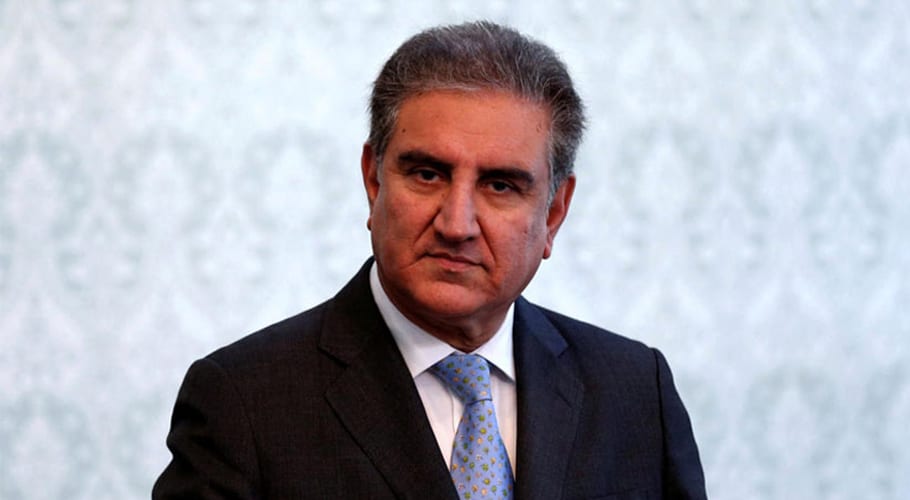












ISLAMABAD: Advisor to the Prime Minister on Finance and Revenue Dr Abdul Hafeez Shaikh held an introductory meeting with the newly appointed Country Director of the World Bank in Pakistan Mr Najy Benhassine.
Dr Shaikh welcomed the Country Director and appreciated the strong working relationship between the government of Pakistan and the World Bank. He highlighted the reforms initiated by the government to tackle the balance of payment crisis and bring stability to the economy.
The finance adviser shared details of how the pandemic has adversely impacted the economy and slowed down the reforms program. He outlined the steps taken by the government to tackle the COVID-19 pandemic and stimulate the economy.
In particular, he highlighted the Prime Minister’s Ehsaas program where over 16 million vulnerable households have benefitted from cash transfers. Similarly, support provided to SMEs and business in the form of subsidised payroll loans, deferred loan repayments, and subsidy on power bills has supported economic activities during the pandemic induced downturn.
READ MORE: World Bank announces new Country Director for Pakistan
Mr Najy Benhassine appreciated the strong response by the government during the COVID 19 pandemic and highlighted the World Bank’s support to the emergency response with projects totalling almost half a billion dollars to help the country prevent, detect and respond to the pandemic and strengthen public health preparedness.
Shaikh appreciated the support provided by the World Bank during the pandemic and stressed on the need to continue with the reform’s agenda. He stressed on the need to strengthen public finances with a focus towards enhancing the tax base and improved expenditure management.
He requested technical inputs from the World Bank on the pension reforms currently being prepared by the Ministry of Finance. Both sides reaffirmed to strengthen the relationship and remove bottlenecks in executing the development projects funded by the World Bank.
The World Bank portfolio in Pakistan includes 56 active projects amounting to approximately $11 billion. The portfolio supports reforms and investments to strengthen institutions, particularly in fiscal management and human development.
ADVERTISEMENT