ISLAMABAD: Asian Development Bank (ADB) has reported that inflation in Pakistan is projected to accelerate to 11,5 percent in FY2020, however, the inflation will decelerate to 8.3 percent in FY2021.
ADB in its latest report on Pakistan’s economy said, “Inflation is projected to accelerate to 11.5% in FY2020, reflecting a sharp rise in food prices in the first part of the fiscal year and a 9.8 percent drop in the value of the local currency against the US dollar in the first 7 months of FY2020.”
The report then forecasts inflation to decelerate to 8.3% in FY2021, with the central bank having to account for this in its next monetary policy decision to increase credit to the private sector and boost economic activity.
Referring to country’s GDP, the report said, “Economic growth in Pakistan is expected to slow to 2.6% this year due to ongoing stabilization efforts, slower growth in agriculture and the impact of the COVID-19 outbreak, before recovering to 3.2% in 2021.”
ADB further noted that Agriculture in Pakistan was expected to see slow growth in FY2020 as the worst locust infestation in over two decades damaged harvests of cotton, wheat, and other major crops.
“Modest growth is expected in some export-oriented industries, such as textiles and leather, however, large-scale manufacturing, which provides over half of industrial production, will likely contract, as it did in the first half of FY2020,” ADB added.
ADB also stated that the ongoing coronavirus outbreak will pose an additional downside risk to growth prospects as it further dampens consumer demand, exporters, businesses, and industries.
The current account deficit is expected to continue narrowing to 2.8% of the gross domestic product in FY2020 based on the reduction in trade deficit resulting from exchange rate depreciation and the imposition of regulatory duties to contain import demand, the ADB report notes.
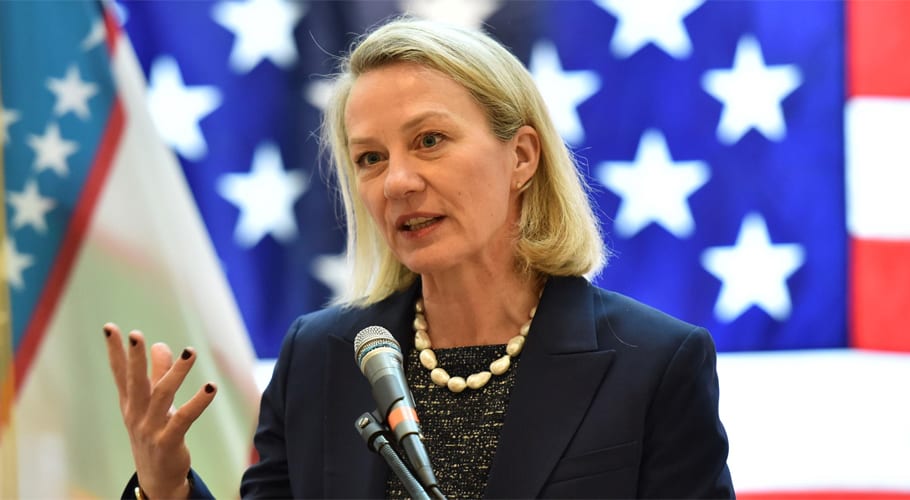
In this regard, ADB Country Director for Pakistan Xiaohong Yang said, “Pakistan’s strong and decisive policy measures have started to yield positive results in reversing macroeconomic imbalances and narrowing current account deficits.”
She further said, “Although Pakistan’s economy is in better shape than before, the nation needs to work together to tackle the new challenges posed by COVID-19—including uncertain short term growth prospects—and its related socio-economic repercussions.”
She also said, “The government’s emergency package and extensive use of Ehsaas will be vital to blunting the detrimental impacts of the pandemic, particularly on the poor and vulnerable.”
ADVERTISEMENT