










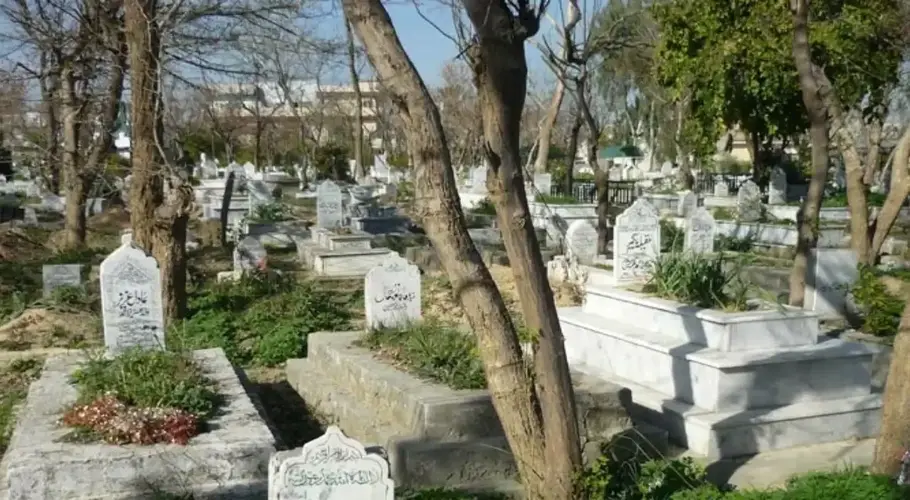
KARACHI: The Sindh Cabinet has approved the allocation of 500 acres in Deh Metha Gharh, District Malir, for a new mega graveyard, moving to address Karachi’s mounting burial-space shortage before it becomes a full-blown crisis.
In a meeting this week, the provincial cabinet green-lit the land allocation on the city’s outskirts, earmarking it specifically for cemetery use. The site in Deh Metha Gharh, Malir, was chosen as central Karachi has little vacant land left and prices remain prohibitive for large-scale public projects.
سندھ کابینہ نے کراچی میں میگا قبرستان کے لیے 500 ایکڑ زمین مختص کرنے کی منظوری دیدی
ضلع ملیر کے دیہہ میٹھا گھر میں قبرستان کے لیے زمین مختص کی جائے گی، سندھ کابینہ کا فیصلہ— Shahid Hussain (@ShahidHussainJM) May 5, 2026
Officials say the move is proactive, not panic-driven. Karachi, home to an estimated 25–30+ million people, requires thousands of new burial plots each year. Several major cemeteries managed by the Karachi Metropolitan Corporation are already full or closed to new burials, an issue that has persisted for years.
The space crunch has led to rising burial costs and, in some cases, exploitation by so-called “grave mafias.” Families have increasingly reported difficulty securing plots, turning what should be a dignified process into a source of distress.
Urban planners warn that without new land, Karachi could exhaust available burial space by around 2040. The 500-acre allocation is part of a broader provincial strategy that envisions multiple large graveyards totaling several thousand acres to meet demand for the coming decades.
It may be added here that in Pakistan, proper burial is a fundamental religious and cultural requirement. In a megacity of Karachi’s size, the inability to provide space for the deceased quickly becomes a public and political issue. The matter is regularly raised by citizens, promised by politicians, and covered by media as a marker of basic governance.
The graveyard allocation also underscores Karachi’s wider challenges: rapid population growth, unplanned urbanization, and infrastructure struggling to keep pace. Similar shortages have been reported in other Pakistani cities, but Karachi’s scale makes the issue especially pressing.
For now, officials emphasize the plan is about preparation. As one cabinet member put it, the goal is to ensure families won’t have to worry about finding a resting place for loved ones — today or 20 years from now.