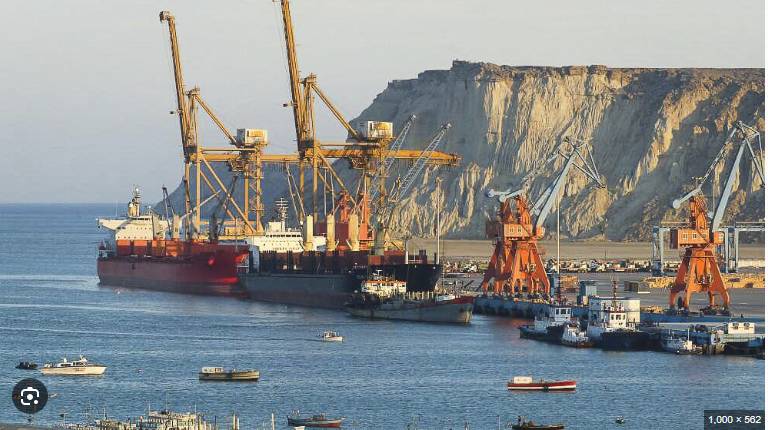











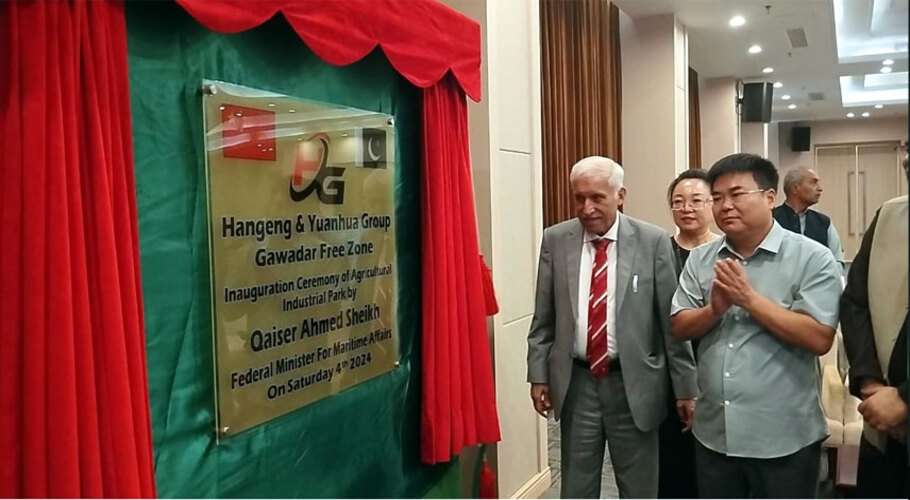
The Hangeng Trade Company Pakistan Limited, a Chinese‑owned enterprise operating in Gwadar Free Zone, has formally announced the closure of its donkey hide and meat exporting business, citing systemic barriers and unresolved approvals that made continued operations impossible.
The company, which ran a slaughterhouse processing between 200,000 and 300,000 donkeys annually for export to China, described the shutdown as not only a loss of foreign investment but a major setback for Balochistan’s fragile economy.
گوادر میں HANGENG چینی کمپنی کا بند ہونا صرف بیرونی سرمایہ کاری کا نقصان نہیں بلکہ بلوچستان کے لوگوں اور کاروبار کے لیے بڑا دھچکا ہے۔ یہ روزگار، ایکسپورٹ اور معیشت میں اہم کردار ادا کر سکتی تھی۔
وزیراعظم پاکستان @CMShehbaz سے درخواست ہے کہ فوری نوٹس لے کر رکاوٹیں دور کی جائیں… pic.twitter.com/M76tki4XQK— Kahuda Babar Baloch (@KahudaBabar) May 1, 2026
Local businesses and workers had anticipated employment opportunities and export revenues from the venture, which has now come to an abrupt halt.
In a statement signed by Andy Liao, Hangeng highlighted that despite meeting China Customs inspection and quarantine standards and complying with international HACCP food safety requirements, its exports remained blocked due to the absence of necessary approvals. The firm reported substantial financial losses over the past three months, including wages, contractual penalties, electricity bills, and container demurrage charges.
“The challenges we face are no longer technical or compliance‑related but stem from broader systemic problems that prevent normal business operations,” the statement noted, underscoring execution‑level uncertainties and institutional gaps.
The closure announcement, distributed to Pakistani, Chinese, and international media, also carried a cautionary message for prospective investors. Hangeng advised companies considering participation in upcoming B2B forums or new projects in Pakistan to carefully assess potential policy execution gaps and institutional uncertainties before committing capital.
While acknowledging that Chinese investors have consistently supported Pakistan’s economic development, the company stressed that real challenges during the investment process must be recognized.
For Gwadar and Balochistan, the shutdown represents more than the loss of a single enterprise. It reflects the fragility of foreign‑backed projects in the region, where operational barriers and policy ambiguities continue to undermine investor confidence.