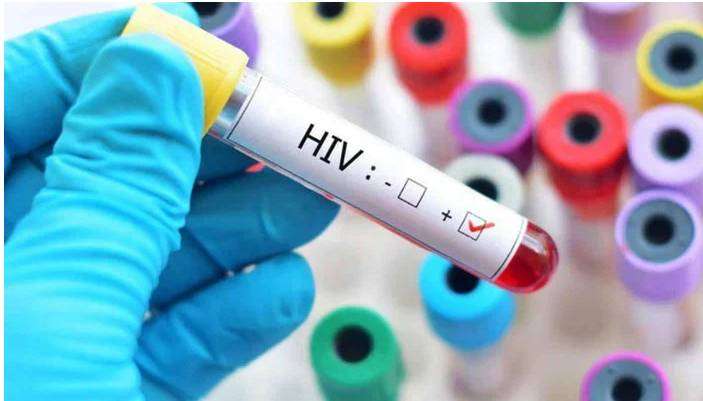











KARACHI: Health experts have warned that HIV is no longer confined to traditionally high-risk groups in Pakistan and is increasingly spreading within the general population, signalling a deepening public health challenge.
Medical professionals say the country is facing a widening gap between reported and actual infections. While official figures shared by the federal health minister in the National Assembly in March 2026 put the number of reported HIV/AIDS cases at 84,421 — with the highest burden in Punjab and Sindh — other estimates suggest a far larger crisis.
Separate media reports, citing available data, place cumulative reported cases at around 108,400 nationwide, reflecting differences in reporting methods and timelines.
Global health agencies paint an even more concerning picture.
The World Health Organization and UNAIDS say Pakistan now has one of the fastest-growing HIV epidemics in the Eastern Mediterranean region, with new infections surging by nearly 200 per cent over the past 15 years — rising from about 16,000 in 2010 to approximately 48,000 in 2024.
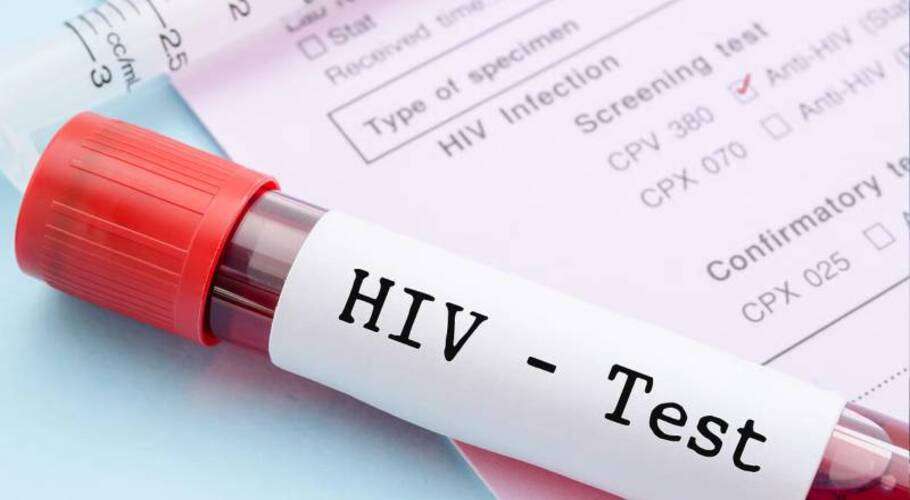
Experts estimate that roughly 350,000 people may be living with HIV in Pakistan, but nearly 80pc remain unaware of their status, underscoring significant under-detection and gaps in testing and surveillance.
Provincial data indicates that Punjab continues to report the highest number of cases, followed by Khyber Pakhtunkhwa and Sindh. Lahore alone accounts for more than 10,000 reported infections, highlighting the concentration of cases in major urban centres.
https://archive.mmnews.tv/sindh-sees-sharp-increase-in-hiv-cases-in-first-3-months-of-2026/
Alarmingly, children are increasingly affected. New HIV cases among those aged 0–14 have risen sharply, from around 530 in 2010 to nearly 1,800 in 2023. Experts attribute this trend to unsafe medical practices, including the reuse of syringes, inadequate screening of blood transfusions, and mother-to-child transmission.
Health specialists emphasised the urgent need for stricter regulation of blood banks, widespread screening of donated blood, and the elimination of unsafe injection practices. They also called for expanded awareness campaigns and improved access to testing and treatment facilities to curb the spread of the virus.
Experts have cautioned that without immediate and sustained intervention, the epidemic could escalate further as HIV continues to move beyond previously identified high-risk groups into the broader population.
https://archive.mmnews.tv/bbc-eye-reveals-child-hiv-outbreak-tied-to-reused-syringes-in-punjab/