










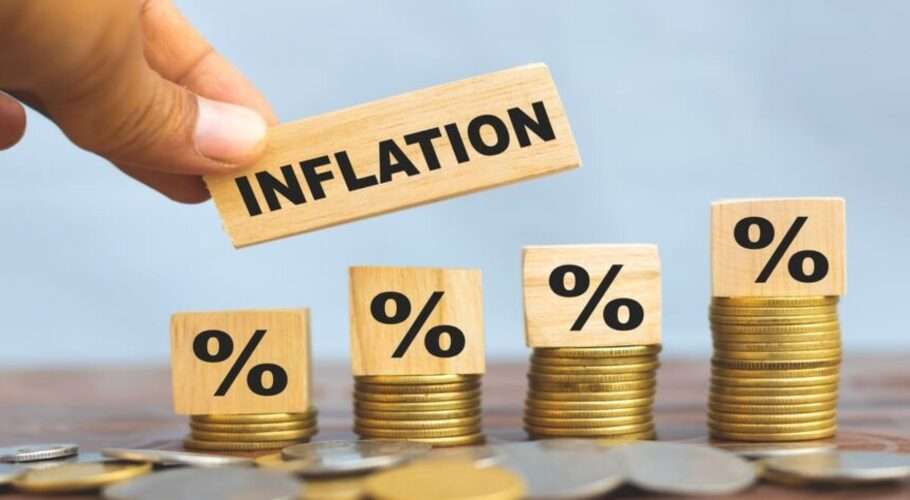
ISLAMABAD: Persistent double‑digit inflation continues to squeeze Pakistani households, with food and fuel costs driving living expenses higher despite a slight weekly dip in the Sensitive Price Index, with analysts warning that volatility in these sectors leaves lower‑ and middle‑income families exposed, as even minor shifts in prices quickly ripple into everyday budgets.
According to the latest data from the Pakistan Bureau of Statistics (PBS), Pakistan’s short‑term inflation, measured by the Sensitive Price Index (SPI), rose 12.16 percent year‑on‑year in the week ending April 16.
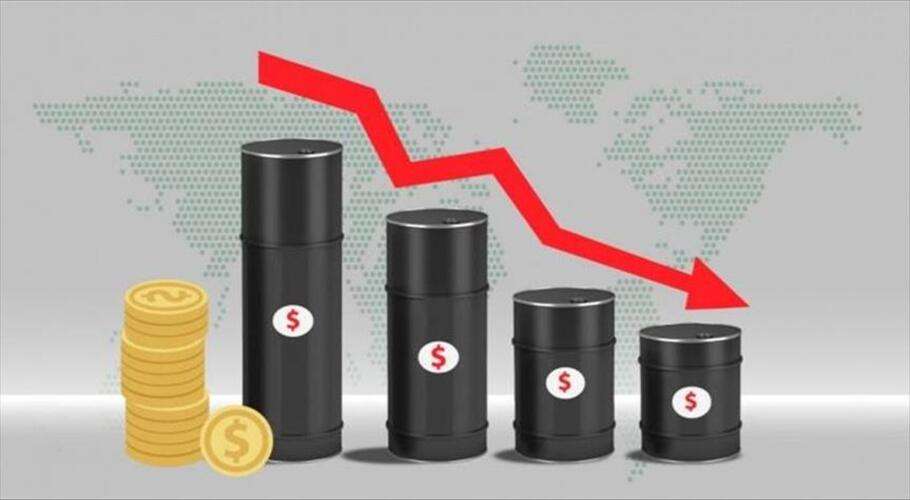
The SPI, which tracks 51 essential items across 17 urban centers, stood at 353.21 points. On a week‑on‑week basis, the index eased 0.69 percent from 355.66 points the previous week, largely due to declines in diesel (‑25.77%), chicken (‑10.07%), and onions (‑6.63%).
Despite the weekly dip, PBS reported that prices of 17 items increased over the period. Tomatoes rose by Rs 5 per kg, fresh milk by Rs 2.5 per kg, and yogurt also recorded an uptick. Eggs climbed Rs 5.15 per dozen, while mutton became costlier by more than Rs 5 per kg. Bread, moong lentils, ghee, cloth, and soap were among other items that saw price hikes.
Year‑on‑year comparisons highlight the drivers of inflationary pressure: tomatoes surged 69.35%, LPG 60.40%, diesel 49.22%, petrol 44.10%, and onions 42.67%. Wheat flour rose 28.80%, mutton 14.67%, beef 13.27%, and powdered milk 10.41%. Some relief came from potatoes (‑45.43%) and chicken (‑8.69%), which fell compared to last year.
The SPI, more sensitive to weekly changes in food and fuel than the broader Consumer Price Index (CPI), underscores the strain on lower‑ and middle‑income households. The CPI stood at 7.3% YoY in March 2026, reflecting relatively slower inflation in broader categories.
Analysts note that while the week‑on‑week decline offers minor relief after recent spikes, the persistence of double‑digit annual inflation highlights the vulnerability of households to food and energy costs. Fuel and food remain the main drivers of short‑term inflationary pressure, with any volatility in these sectors quickly