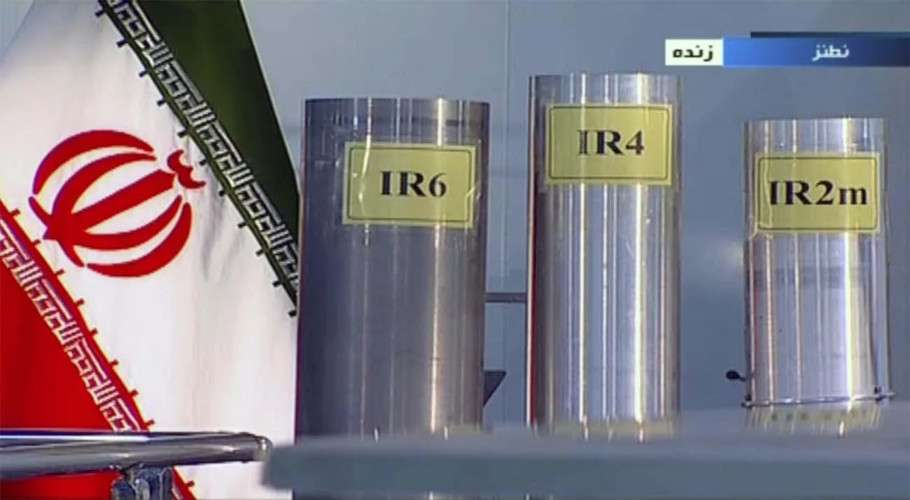
TEHRAN: Iran on Saturday issued a stern “categorical rejection” of claims made by US President Donald Trump that Tehran had agreed to surrender its stockpile of enriched uranium, describing the nuclear material as a “strategic red line” and as “sacred as Iranian soil.”
The diplomatic spat comes amidst high-stakes negotiations and a backdrop of regional tension, with Tehran signaling that while it may be open to discussing a broader “nuclear peace agreement,” the physical transfer of its enrichment gains remains off the table.
Speaking to Al Jazeera Mubasher, Ebrahim Rezaei, spokesperson for Iran’s National Security and Foreign Policy Committee, dismissed the American narrative that a deal for the transfer of material had been reached.
“Tehran categorically rejects anything related to zeroing out enrichment or halting its peaceful nuclear programme,” Rezaei stated. He emphasized that the Islamic Republic has made no commitments to transfer enriched uranium out of the country, directly contradicting assertions coming from Washington.
The Foreign Ministry echoed this defiance. Spokesperson Esmaeil Baghaei, in an interview with the Tasnim news agency, used highly nationalist rhetoric to underscore the sensitivity of the issue.
“Enriched uranium is as sacred to us as Iranian soil and will not be transferred anywhere under any circumstances,” Baghaei said. He further clarified on state-run IRIB television that sending the material to the United States had “never been under consideration” during ongoing diplomatic tracks.
https://archive.mmnews.tv/china-ready-to-take-enriched-uranium-from-iran-ap/
The ‘Nuclear Dust’ Claim
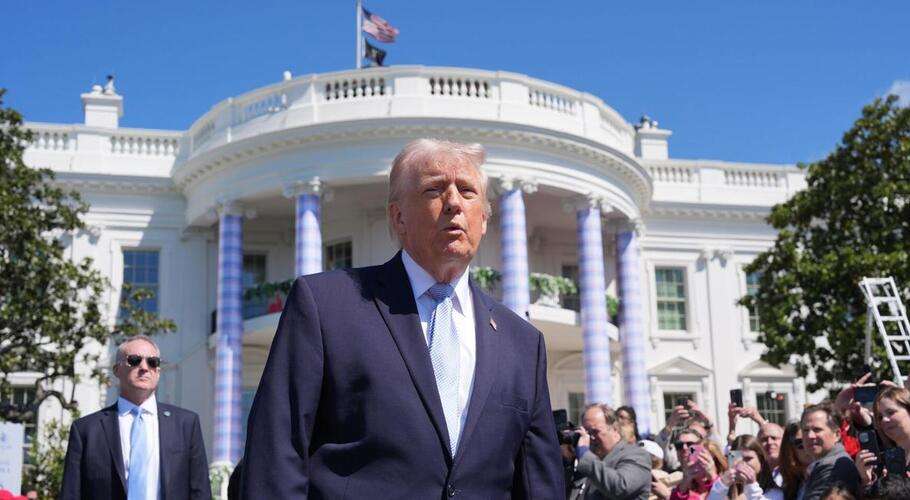
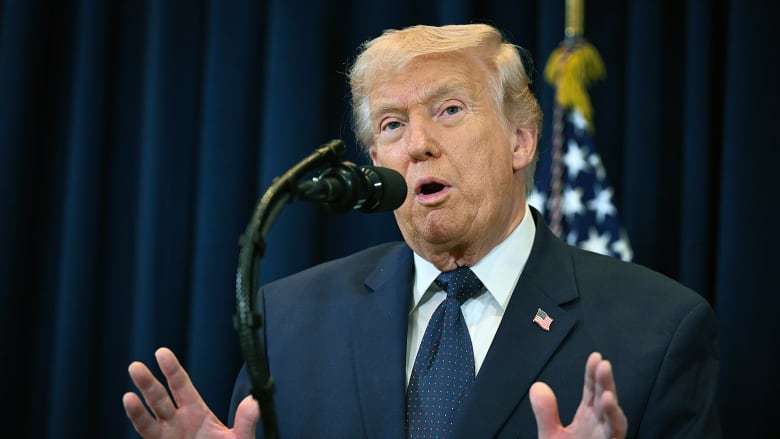
The Iranian denials follow a series of provocative posts by US President Donald Trump on his Truth Social platform. Following reports that the US might release $20 billion in frozen Iranian funds in exchange for the stockpile, Trump claimed the US would retrieve Iran’s nuclear “dust”—a reference to enriched material—using “lots of excavators.”
“The USA will get all Nuclear ‘Dust’,” Trump wrote on Friday, suggesting that the material would be recovered with no money changing hands “in any way, shape, or form.”
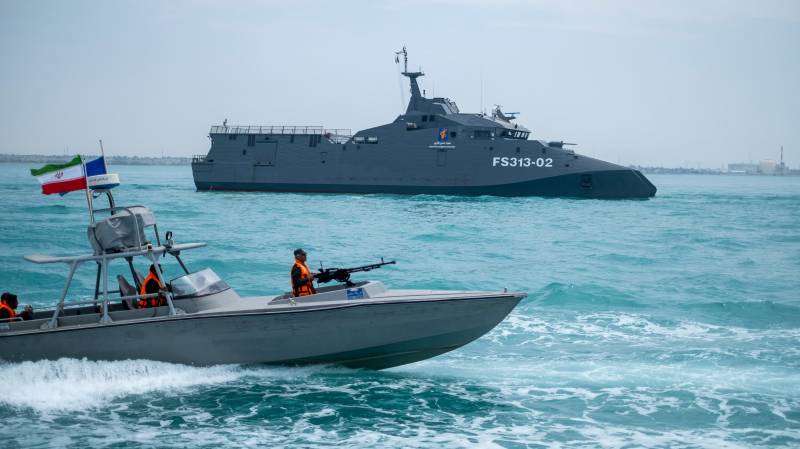
The US President’s remarks appeared to link the nuclear issue with a tentative opening of the Strait of Hormuz, which has been under a partial US naval blockade. While Trump suggested a breakthrough was imminent, even hinting at a potential signing ceremony in Islamabad, Pakistan, Tehran’s latest statements suggest a significant gap remains.
According to reports, the central friction point remains the fate of Iran’s highly enriched uranium (HEU). While Washington is reportedly pushing for a 20-year pause on enrichment and the total removal of the HEU stockpile, Tehran has countered with a proposal for a much shorter 3-to-5-year pause and has suggested “down-blending” the material rather than exporting it.
The International Atomic Energy Agency (IAEA) noted in early 2026 that several Iranian nuclear facilities had been affected by military strikes in late 2025, leaving the exact status of the 60% enriched uranium stockpile—previously estimated at over 400kg—uncertain.
As indirect talks continue through regional mediators, the rhetoric from Tehran suggests that while a ceasefire or sanctions relief plan may be in the works, the domestic political cost of surrendering its “nuclear jewels” remains a price the current leadership is unwilling to pay.