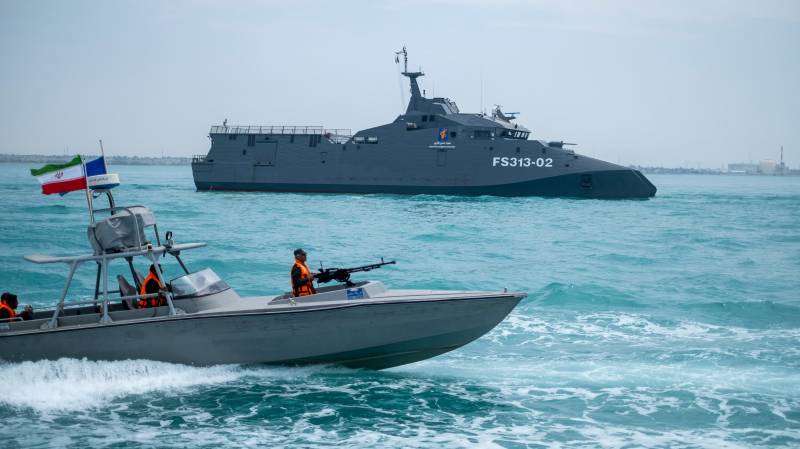











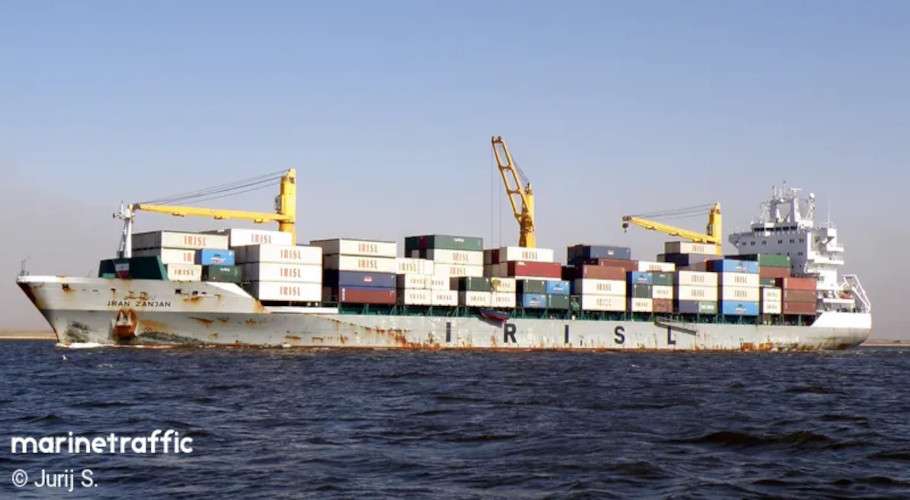
TEHRAN: In a direct challenge to the recently enforced US naval blockade, the Iranian-flagged container ship Azargoun is reported to have successfully transited the Strait of Hormuz early Tuesday, highlighting the porous nature of the current maritime restrictions in the Persian Gulf.
Roshak(EPCA2) and Azargoun(EPBZ7) are almost passed the “#blockade“, Shabdis(EPBQ7) just exited the territorial waters.
Is this really a Blockade?! https://t.co/aIwkgecKfb pic.twitter.com/3unjME4hik
— The Lion and Sun Revolution News (@HSATP_IR) April 13, 2026
The vessel, owned by affiliates of the Islamic Republic of Iran Shipping Lines (IRISL), reportedly crossed the strategic choke point just over an hour ago. Real-time maritime tracking data confirms the transit, placing the vessel on an outbound trajectory toward the Indian port of Kandla.
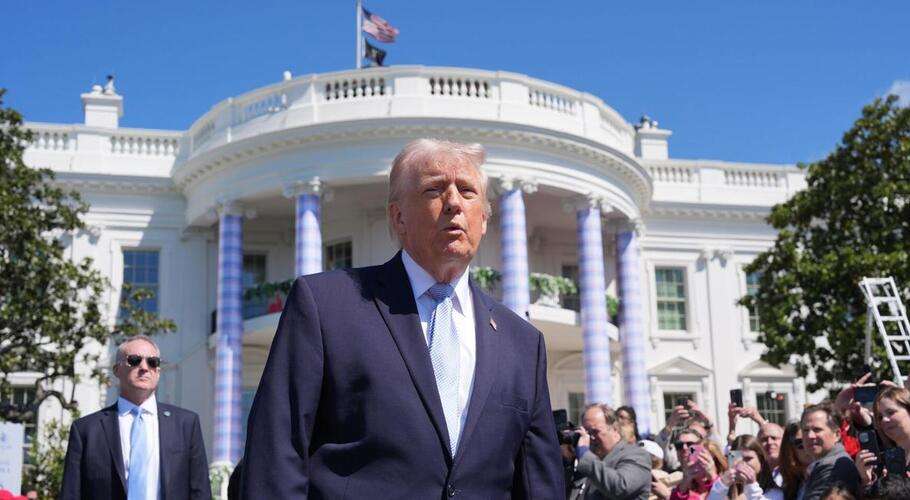
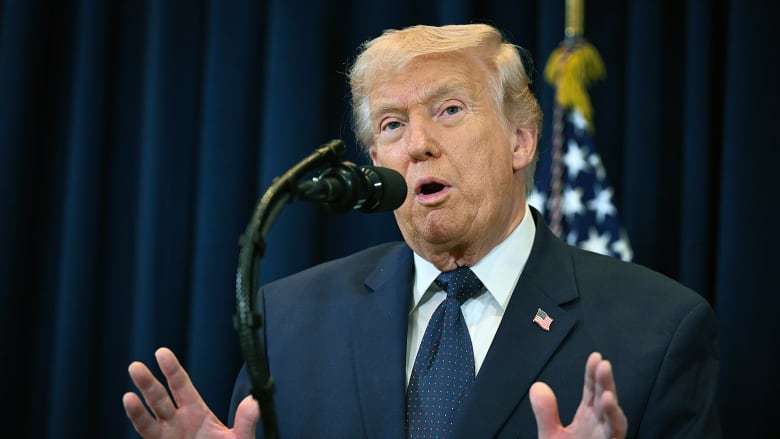
The Azargoun’s movement follows its departure from the Bandar Abbas area and comes at a time when regional tensions have reached a fever pitch following President Donald Trump’s announcement of a formal military blockade.
https://archive.mmnews.tv/us-iran-likely-to-resume-talks-in-islamabad-after-inconclusive-first-round/
The blockade, which became effective on April 13, explicitly targets Iranian ports and energy infrastructure.
US Central Command (CENTCOM) has stated that the measures are intended to be enforced against vessels of all nations entering or departing Iranian coastal areas. However, the passage of the Azargoun suggests that Tehran remains committed to maintaining its own shipping corridors, particularly those hugging the Iranian coastline near Larak Island.
While the US has signaled it will not impede vessels transiting to non-Iranian destinations, the presence of Iranian-linked ships in the strait remains a flashpoint.
Local maritime sources indicate that the “blockade” currently functions more as an enforcement-oriented screen rather than an absolute physical barrier. Despite the high-stakes rhetoric from Washington, a handful of vessels—primarily those associated with the Iranian state or the so-called “shadow fleet”—continue to move daily through approved corridors.
Observers believe that the impact of the blockade on global commerce remains severe. Prior to the current conflict, the Strait of Hormuz saw an average of 140 ships per day; current traffic has plummeted to a fraction of those levels. Many international shipowners have rerouted their fleets or remained at anchor, deterred by skyrocketing insurance premiums, reports of GNSS jamming, and the risk of being caught in a crossfire.
Tehran has dismissed the US measures as “bluffing,” with Iranian military officials asserting full control over the waterway. Nevertheless, the successful transit of the Azargoun serves as a significant symbolic and operational pushback against the US strategy of “maximalist” economic pressure.
As the US Navy begins mine-clearing operations and positions more assets in the region, the risk of a direct naval confrontation remains high, with the fate of global energy security hanging in the balance, observers added.
https://archive.mmnews.tv/hormuz-humiliation-when-america-first-becomes-america-isolated/