











KARACHI: Pakistan is witnessing a fresh and sharp wave of inflation, intensifying the economic pressure on the general public as the latest government data reveal a significant deterioration in price stability across a wide basket of essential commodities.
Media reports citied figures released this week, saying inflation rose by 1.93 per cent in the past seven days alone, while the annual inflation rate climbed steeply from 9.12 per cent to 12.15 per cent — a jump that economists say reflects structural pressures building across both energy and food sectors.
Of the 51 essential commodities tracked by the government, prices of 28 items increased over the week, while eight became cheaper and 15 remained stable.
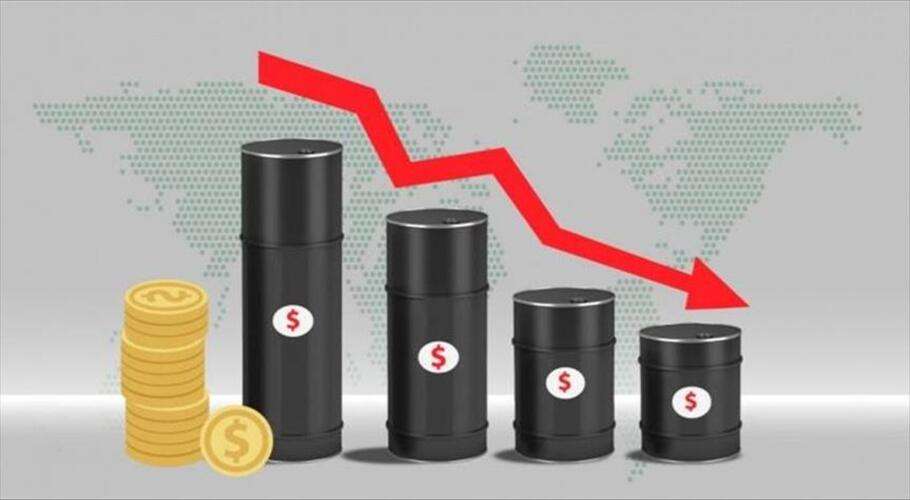
Fuel prices recorded some of the sharpest hikes in the basket. Diesel became 54.71 per cent more expensive on an annual basis, while petrol rose by 17.86 per cent. Liquefied petroleum gas (LPG) prices also increased by 8.61 per cent during the same period — a development with cascading consequences for transportation costs and domestic cooking across lower-income segments of society.
In the food category, tomato prices surged by 9.35 per cent, potatoes by 4.13 per cent, and onions by 3.84 per cent. Eggs — a primary source of affordable protein for lower-income families — rose by 3.77 per cent. Prices of beef, mutton, bread, and cooked lentils also registered upward movement, leaving few affordable alternatives on the dinner table.
The Sensitive Price Index (SPI), which tracks price movements for lower- and middle-income households on a weekly basis, painted a particularly sobering picture for Pakistan’s most economically vulnerable citizens. For the lowest income group — those earning up to Rs17,732 per month — inflation on a yearly basis rose by 0.75 per cent to reach 9.33 per cent.
For households earning between Rs17,733 and Rs22,888 monthly, inflation increased by 1.02 per cent, taking the overall rate to 11.50 per cent. Those in the Rs22,889 to Rs29,517 income range experienced a 1.17 per cent rise, pushing inflation to 10.51 per cent. For families earning between Rs29,518 and Rs44,175 per month, the rate rose by 1.56 per cent, reaching 10.61 per cent.
The data underscores a broad-based rise in prices that is disproportionately affecting lower- and middle-income households, which allocate a far larger share of their budgets to food and fuel than wealthier segments of the population. Analysts warn that unless the underlying supply-side pressures are addressed, real purchasing power will continue to erode at an accelerating pace.