









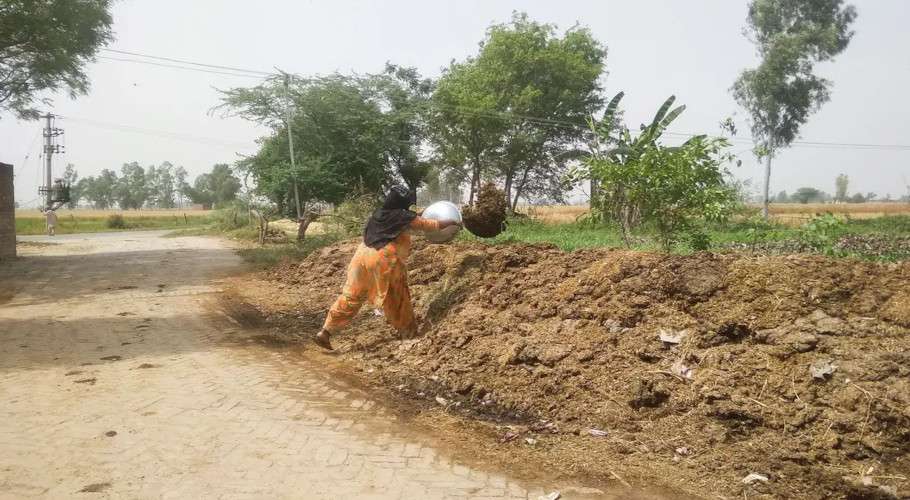
LAHORE: In a move that gives new meaning to the phrase “turning waste into wealth,” the Punjab government has officially waded into the dairy sector—specifically, the rear end of it, with residents of 168 cattle colonies across the province, including the provincial capital, waking up this week to a new fiscal reality: a 30-rupee daily tax on every unit of buffalo and cow manure.
While most governments tax what goes into the mouth—or fund what goes into the tank for official petrol, subsidized air travel, and the free electricity enjoyed by the ruling elite—Punjab has decided to tax what comes out the other side.
لاہور سمیت صوبہ بھر میں بھینسوں کے گوبر پر ٹیکس عائد کرنے کا فیصلہ کیا گیا ہے ،فی بھینس 30روپے روزانہ گوبر ٹیکس وصولی کی جائے گی، ستھرا پنجاب پروگرام کے تحت گوبر سے بائیو گیس تیار کی جائے گی،ذ رائع کے مطابق لاہور سمیت صوبہ بھر کی 168 گوالہ کالونیز سے ٹیکس وصولی کی جائے گی ،گوالہ… pic.twitter.com/1kHAEydwrt
— Riaz ul Haq (@Riazhaq) April 2, 2026
The “Gobar Tax,” as it is colloquially being dubbed in the streets of Lahore, isn’t just a quirky line item in the local government’s ledger, rather a strategic—if somewhat pungent—maneuver to formalize the province’s waste management.
According to officials, the daily collection of 30 rupees per unit has already commenced across 168 designated “Gwala” colonies. The logic is simple: if you have a buffalo, you have a bio-hazard; and if you have a bio-hazard, the state has a solution (for a small fee).
دنیا اخبار کے عمران اکبر کی سٹوری ہے کہ پنجاب میں اب بھینس کے گوبر پر بھی ٹیکس لگے گا
50 لاکھ بھینسوں کا اندازہ لگایا گیا ہے فی بھینس 30 روپے وصول کیے جائیں گے pic.twitter.com/zYnY12WrAJ— Umar Daraz Gondal (@umardarazgondal) April 2, 2026
The Minister for Local Government has stepped forward to clarify that this isn’t just a “crap-grab.” The primary objective is renewable energy.
– The Goal: The collected manure will be funneled into large-scale bio-gas plants.
– The Logic: By taxing the dung, the government essentially secures the raw material needed to power green energy initiatives, potentially providing a cheaper fuel alternative for rural and semi-urban areas.
– The Trend: Despite the new levy, the Minister confirmed that cattle arrivals and supply in these colonies have actually increased, suggesting that the tax hasn’t yet dampened the spirits of the province’s dairy farmers.
The Public Pulse
“We’ve heard of the ‘brain drain,’ but the ‘dung drain’ is a first,” remarked one local farmer near Lahore, who preferred to remain anonymous while shoveling. “They say it’s for gas, but right now, it just feels like my buffalo’s breakfast is getting more expensive.”
While the tax has raised some eyebrows (and many handkerchiefs to noses), the government insists that the formalization of “gobar” collection will lead to cleaner colonies and a more sustainable energy grid.
As the 168 colonies begin their daily contributions, the Punjab government is betting big on the idea that one man’s waste is another government’s treasure. Whether this initiative will provide a clean energy revolution or simply leave a bad smell in the pockets of farmers remains to be seen.
For now, one thing is certain: in Punjab, there is officially no such thing as a free lunch—or a free mess.