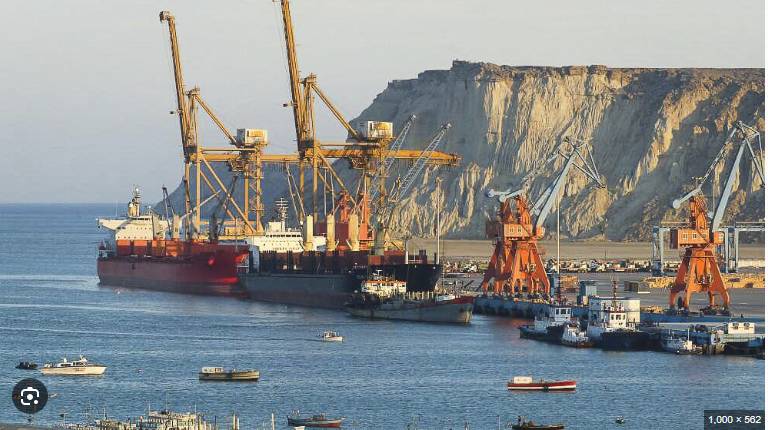











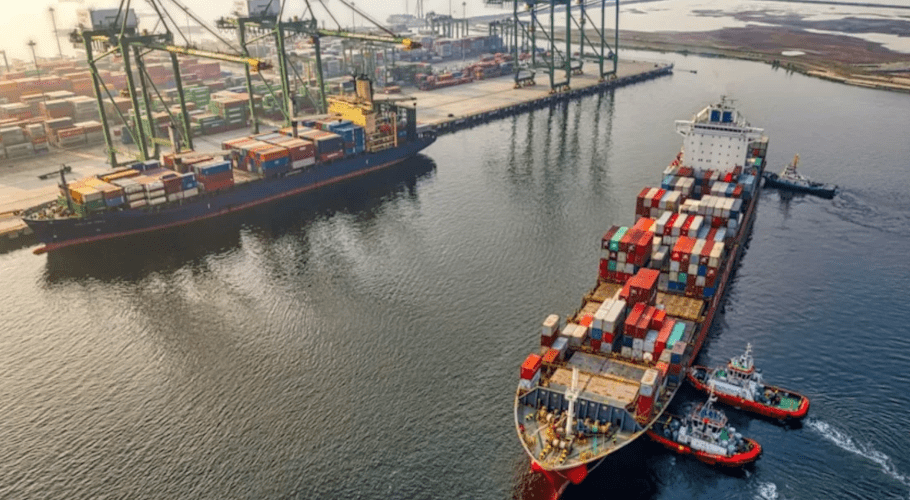
KARACHI: Pakistan’s maritime gateways—Karachi Port, Port Qasim, and Gwadar—have recorded a historic spike in activity as shipping lines scramble for alternatives amid the escalating US-Iran conflict.
Data available with MM News reveals that transshipment volumes at Karachi Port alone have reached unprecedented levels. In a staggering 24-day window, the port handled goods equivalent to an entire year’s worth of traffic from 2025. According to The Pakistan Index, while Karachi Port handled approximately 8,300 containers in the previous year, a matching 8,313 containers arrived in just the last three weeks.
The surge is largely attributed to the widening conflict in the Middle East, which has severely disrupted traditional shipping lanes in the Arabian Gulf. As carriers bypass high-risk zones, Pakistan has emerged as a preferred “safe harbor.”
Arab News reports that the government has moved swiftly to capitalize on this shift, amending international transshipment rules to permit seamless cargo handling across both sea and air ports. This regulatory agility has been cited as a key factor in easing the bottleneck for international traders.
Operational Milestones
Detailed figures from Trade Chronicles highlight the intense operational load shared across Karachi’s terminals:
South Asia Pakistan Terminal (SAPT): Processed and delivered 5,286 containers.
Hutchison Ports: Handled 1,827 containers.
Karachi Gateway Terminal: Managed 1,200 containers.
Global experts suggest that while the Middle East war is a crisis for many, it has provided Pakistan with a “golden opportunity” to cement its status as a permanent regional hub. Analysts noted that the world is increasingly recognizing Pakistan as the most viable nearby alternative for transshipment.
“The strong political and economic stability, paired with a clear leadership strategy, is taking investor confidence to new heights,” a group of international experts stated. They further emphasized that the “vast opportunities of CPEC and modern infrastructure” are finally consolidating the country’s role as a trade and logistics powerhouse.