










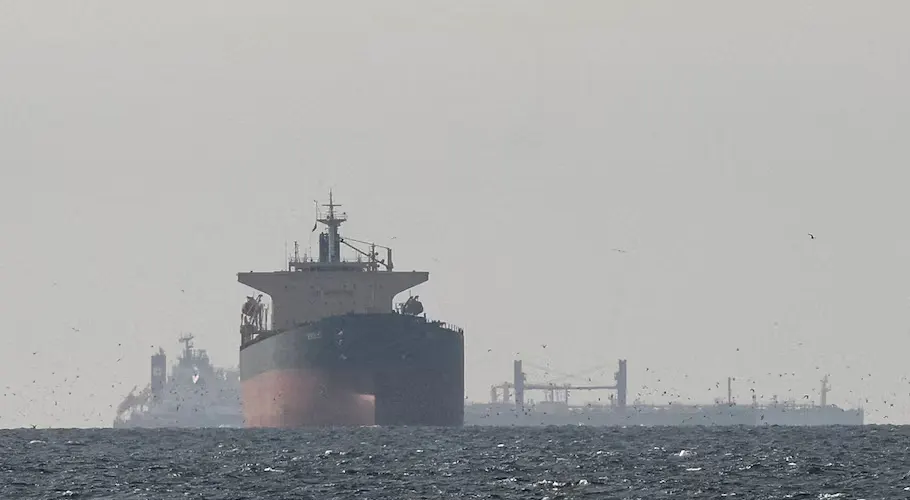
The Aframax tanker Karachi, operated by Pakistan National Shipping Corporation, transited the strait around March 15 after loading crude at Das Island in Abu Dhabi, indicating that some countries are able to negotiate safe passage for their vessels despite the U.S.-Israeli war on Iran.
After closing the strait, Iran has attacked several ships in the Gulf, in effect closing the strait, conduit for a fifth of the world’s crude oil and liquefied natural gas, and driving up global energy prices.
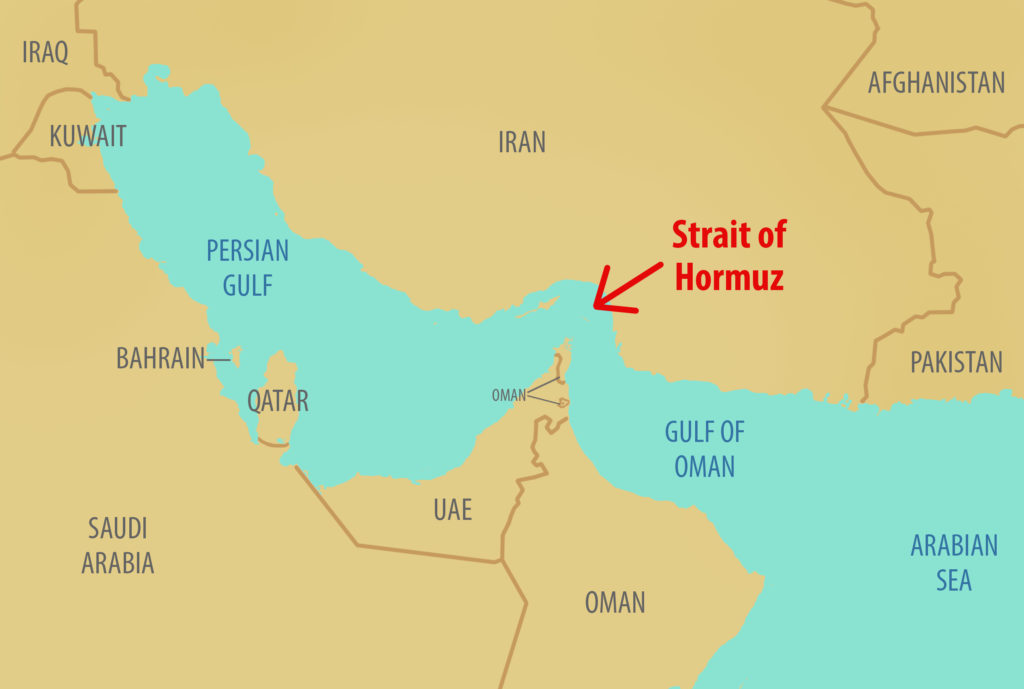
It is worth mention that the Strait of Hormuz is a strait between the Persian Gulf and the Gulf of Oman. It provides the only sea passage from the Persian Gulf to the open ocean and is one of the world’s most strategically important choke points.
Iranian government said that certain countries had been allowed to pass the strait.
So far, only four countries have reportedly secured safe passage for their ships through the Strait of Hormuz.
China
China is reportedly in discussions with Iran to allow crude oil and Qatari liquefied natural gas carriers safe transit, Reuters reported on March 5, citing diplomatic sources. China, a major importer of Middle Eastern energy, is pressing Tehran to ensure uninterrupted shipping.
Pakistan
Pakistan’s Aframax tanker Karachi, operated by the Pakistan National Shipping Corporation, transited the strait around March 15 after loading crude at Das Island, Abu Dhabi, and is expected to reach Karachi on March 17, tracking along Iran’s side before heading east.
Turkiye
Turkiye also secured permission from Iran for a Turkish-owned vessel to pass, with Transport Minister Abdulkadir Uraloglu confirming the clearance of one ship among 15 awaiting transit.
India
India received rare exceptions, with Tehran allowing two Indian-flagged tankers carrying liquefied petroleum gas to pass through the strait on March 13, according to New Delhi.