









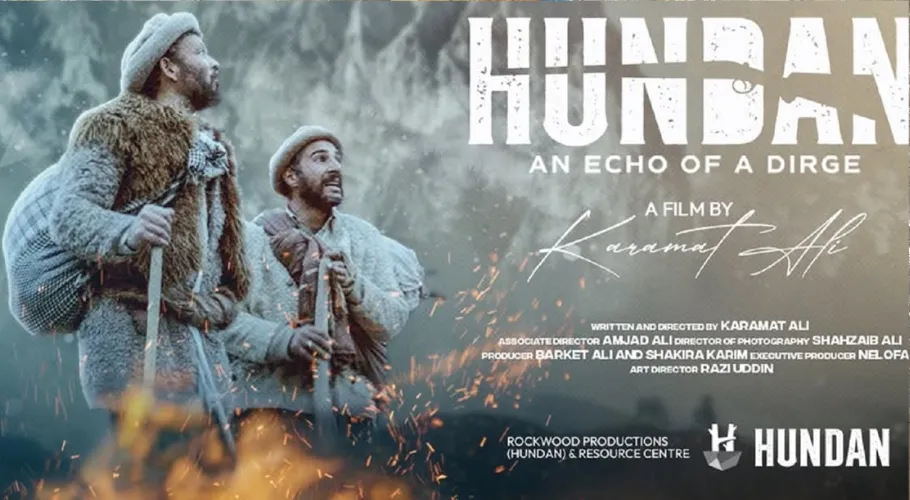
A historic and widely acclaimed screening of “Hun Dan: An Echo of a Dirge,” the first-ever feature film made in the endangered Burushaski language, has taken place at the Islamabad Club cinema this weekend.
The film’s screening is considered a landmark moment for Pakistan’s cinematic and cultural heritage and a cultural milestone in the country’s film industry.
“Hun Dan” holds particular importance because the language it uses, Burushaski, has been listed as endangered by UNESCO. The filmmakers’ decision to bring this linguistic treasure to the screen is regarded as a vital contribution to preserving Pakistan’s cultural and linguistic diversity.
The film was produced by Karamat Ali and his creative team. It is set against the majestic landscapes of Gilgit-Baltistan and draws deeply from the myths, oral traditions, and collective memory of the Burusho people.
“Hun Dan” is visually arresting and emotionally profound, focusing on the spiritual bond between humanity and nature. It reflects on critical global concerns, including climate change, wildlife preservation, and the fragile balance of ecosystems.
View this post on Instagram
The film uses minimal yet impactful dialogue, evocative imagery, and haunting soundscapes to create a cinematic experience described as both meditative and soul-stirring.
The exclusive screening attracted a diverse audience, including filmmakers, cultural activists, environmentalists, and art enthusiasts. Attendees lauded the film for its authenticity and message of environmental consciousness, calling it a groundbreaking achievement. Audience members expressed that hearing Burushaski on the big screen was deeply moving, marking an emotional and proud moment for the community.
Producer Karamat Ali emphasized that through “Hun Dan,” the team aimed to demonstrate that stories from the mountains carry universal meaning and speak to humanity’s shared duty toward the planet.
The overall sentiment following the screening was that the event represented the dawn of a cultural awakening for Pakistan’s cinema, embracing linguistic diversity, environmental awareness, and artistic experimentation