










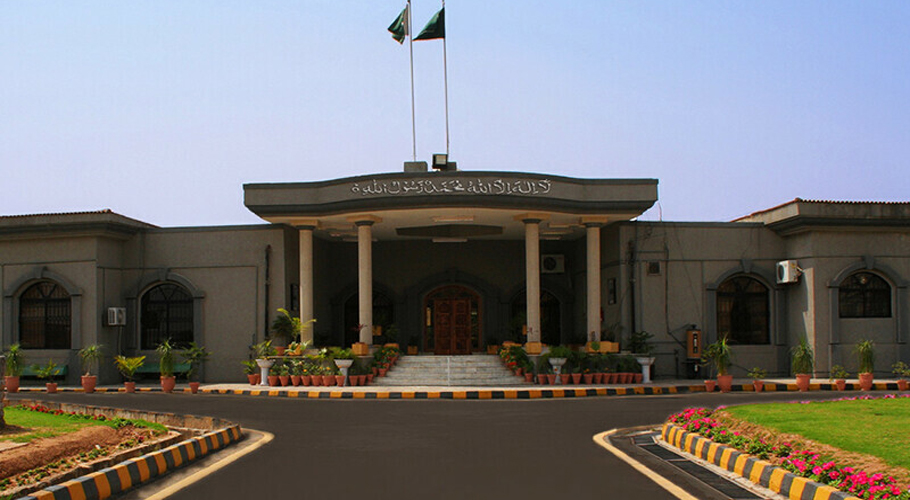
In a remarkable judgement, the Islamabad High Court (IHC) has allowed a 15-year-old girl to live with her husband – a judgment that underscored the ongoing debate as well as legal and religious tensions surrounding child marriage in Pakistan.
What did the court say?
Justice Muhammad Azam Khan, who authored the verdict, acknowledged that while such marriages are not considered void under Shariah law, they are a criminal offence under Pakistan’s statutory framework, particularly the Islamabad Child Marriage Restraint Act 2025, which sets the legal marriage age at 18 years.
The case revolves around Madiha Bibi, who, in her testimony before the court, clearly said that she does not wish to return to her parents and instead intends to live with her husband.
The court highlighted the conflict between religious and civil law: under Shariah, a girl can marry upon reaching puberty and providing consent, whereas Pakistani law mandates 18 as the legal minimum age for marriage.
A key issue raised in the ruling was the discrepancy in Madiha’s age. Her marriage certificate suggests she is around 18, but official NADRA records list her as 15.
Legal and religious tensions about child marriage
The judgment draws on Pakistan’s broader legal history, referencing the Child Marriage Restraint Act of 1929 and the Muslim Family Laws Ordinance of 1961, which continue to inform the country’s marriage laws.
The court urged lawmakers and relevant authorities to reconcile the contradictions between religious practices and criminal statutes to ensure clarity and enforceability. It proposed a ban on Nikah registrars officiating marriages involving individuals under 18, regardless of religious consent.
Furthermore, the court called for reforms within NADRA’s system to ensure strict age verification before issuing marriage certificates, aiming to close loopholes that allow underage marriages to occur undetected.