Iran is grappling with its worst drought in a century, a crisis that has left reservoirs dangerously low and millions of citizens facing prolonged water and power shortages.
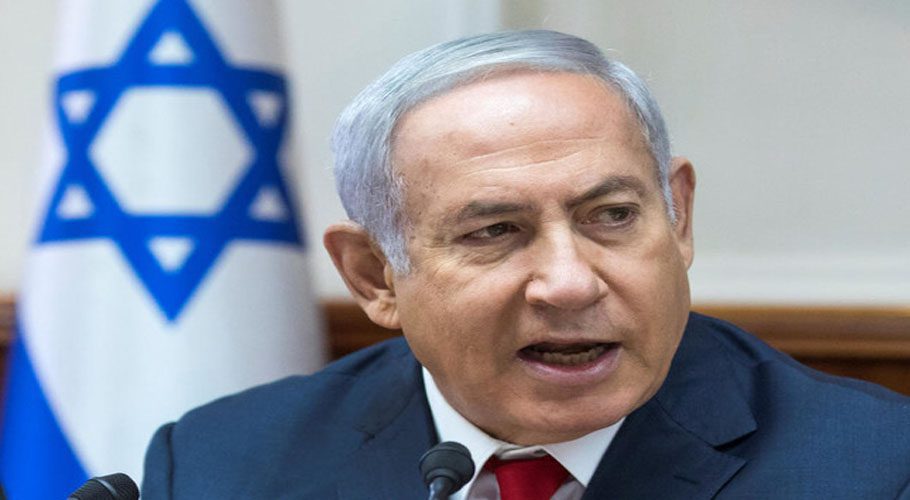
The situation has escalated into a political flashpoint after Israeli Prime Minister Benjamin Netanyahu issued a provocative public offer of assistance—on the condition that Iranians rise against their government.
According to official Iranian data, only 42% of the country’s dam capacity remains filled, while rainfall over the past four months has been 40% below the seasonal average. A prolonged heatwave and five consecutive years of below-normal precipitation have not only depleted water supplies but also pushed the country’s electricity grid to the brink. Rolling blackouts, some lasting up to 48 hours, have disrupted daily life and forced the closure of several government offices to conserve energy.
Speaking directly to the Iranian people via social media, Netanyahu accused Tehran’s leadership of diverting billions of dollars to armed groups such as Hamas, Hezbollah, and Yemen’s Houthis rather than investing in critical infrastructure.
“When you are free,” he said, “Israel’s water experts will come to every Iranian city with advanced technology to clean water and build desalination plants.”
Netanyahu emphasized that Israel is the world leader in water recycling and could share its expertise with Iran—but only if the political conditions change. “Freedom is the prerequisite,” he stressed, framing his offer as contingent upon regime change.
Former Israeli Prime Minister Naftali Bennett echoed Netanyahu’s remarks, saying Iran’s “beautiful rivers and gardens” could be restored if the country shifted its priorities away from warfare. “Iran has a choice—war or peace, destruction or prosperity,” Bennett said.