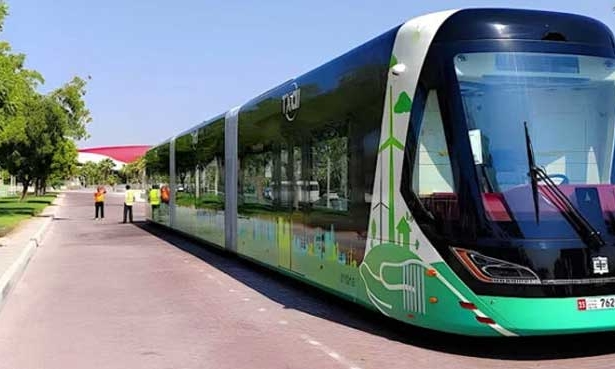
Following the successful rollout of electric buses in Punjab, Lahore is now gearing up to introduce its first electric tram — a significant leap toward modernizing the city’s public transport system.
The project, part of a broader urban mobility initiative, aims to provide commuters with a cleaner, faster, and more efficient travel option while easing the pressure on existing road traffic.
The tram’s inaugural route will stretch from Harbanspura to Thokar Niaz Baig, running along the scenic Canal Road. To accommodate the project, the city’s traffic management plan will undergo strategic changes: underpasses along Canal Road will be streamlined into a single lane, and the Jail Road underpass will be relocated from the left to the right side to improve traffic flow.
The electric tram will operate on the far-left lane of Canal Road, minimizing disruption to regular vehicular traffic. Road sections near tram stops will also be widened, ensuring smooth passenger boarding and operational efficiency.
Authorities are further exploring the possibility of constructing an underground road between Jallo and Harbanspura, which would strengthen connectivity and ease congestion.
Imported from China, the state-of-the-art tram features three interconnected carriages powered entirely by batteries. Capable of traveling 25 to 27 kilometers on just a 10-minute charge, each unit can carry up to 250 passengers. This street-level transport system offers subway-like functionality without the need for deep underground infrastructure, making it a more cost-effective and accessible solution for Lahore’s urban needs.
Assembly of the first tram took place at the Ali Town Depot, with initial pilot testing conducted near Lahore Airport. During its pilot phase, the tram will operate as a free trial service to familiarize commuters with the new system and gather operational feedback.
If successful, the project could set a precedent for similar initiatives in other Pakistani cities, positioning Lahore as a pioneer in sustainable and technologically advanced public transport.