










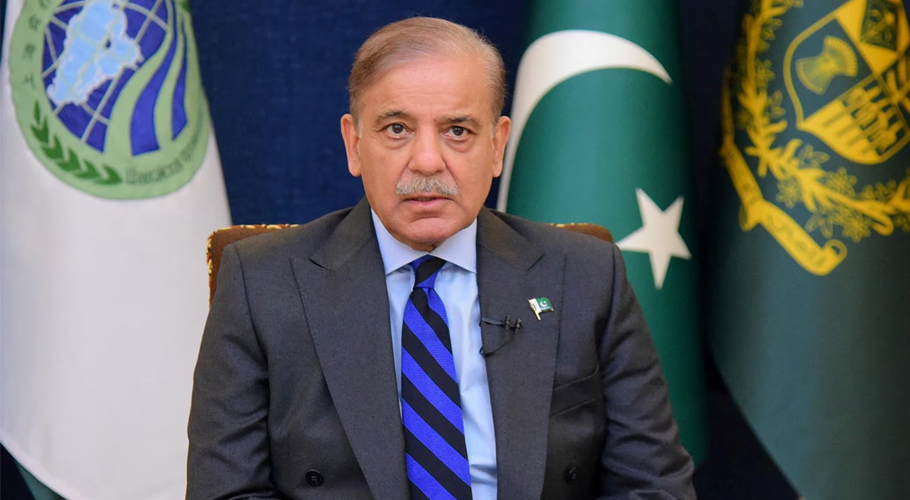
Prime Minister Shehbaz Sharif emphasized the significance of justice, equality, and dignity for all as he marked the International Day of Social Justice on February 20.
In his message, the prime minister stated that this day serves as a global reminder to promote fairness and eradicate social injustices, such as poverty and gender discrimination. He reaffirmed that Pakistan’s Constitution guarantees equal rights for all citizens, without any discrimination.
Shehbaz Sharif stressed that the government remains committed to eliminating biases that hinder human progress and pledged to work toward an inclusive society where fairness prevails.
To achieve these goals, the prime minister highlighted the launch of an integrated social welfare program through digital platforms. Additionally, he mentioned several initiatives under “Udaan Pakistan” aimed at empowering disadvantaged communities.
He reiterated Pakistan’s commitment to building a fair and inclusive global system and vowed to continue efforts for a more just society through progressive policies and reforms.
UNO’s theme: Strengthening a Just Transition for a Sustainable Future
The United Nations has chosen “Strengthening a Just Transition for a Sustainable Future” as this year’s theme for the International Day of Social Justice. The theme underlines the need to ensure that the transition to low-carbon economies benefits everyone, especially vulnerable communities.
A just transition involves integrating social justice with environmental sustainability, ensuring that workers, indigenous populations, and marginalized groups receive support through retraining, job creation, and social protection policies. This approach ensures that economic transformation does not exacerbate inequality but instead fosters opportunities for all.
The core of this vision lies in embedding “just transition” principles into national and global policies. Events such as the Second World Summit for Social Development (WSSD2) emphasize the necessity of fair policies that distribute the costs of change equitably.
Governments can implement measures like green skills training, extensive social protection, and community-led economic development to prevent job losses from declining fossil fuel industries. Instead, these policies can drive investments into green industries, helping to build a resilient workforce and a fairer society.
Historical background
The International Labour Organization (ILO) has played a pivotal role in advocating social justice worldwide. On June 10, 2008, the ILO unanimously adopted the Declaration on Social Justice for a Fair Globalization.
This declaration is the third major policy statement by the International Labour Conference since the ILO’s founding in 1919. It builds upon the Philadelphia Declaration of 1944 and the 1998 Declaration on Fundamental Principles and Rights at Work, aligning the organization’s vision with the challenges of globalization.
The 2008 Declaration reinforces ILO’s commitment to social justice and was shaped through extensive consultations following the World Commission’s Report on the Social Dimension of Globalization.
Representatives from 182 member states, including government officials, employers, and labor organizations, endorsed this declaration to strengthen the ILO’s role in promoting social justice. The Decent Work Agenda, developed by the ILO since 1999, was institutionalized through this declaration, making it a central pillar in achieving constitutional objectives for fair labor policies globally.