










Germany saw economic success after success for the majority of this century, dominating international markets for high-end goods like luxury automobiles and industrial machinery, and selling so much to the rest of the globe that exports accounted for half of the country’s GDP.
Jobs were plentiful, the government’s financial coffers grew as other European countries drowned in debt, and books were written about what other countries could learn from Germany.
No longer. Now, Germany is the world’s worst-performing major developed economy, with both the International Monetary Fund and European Union expecting it to shrink this year.
It follows Russia’s invasion of Ukraine and the loss of Moscow’s cheap natural gas — an unprecedented shock to Germany’s energy-intensive industries, long the manufacturing powerhouse of Europe.
The sudden underperformance by Europe’s largest economy has set off a wave of criticism, handwringing and debate about the way forward.
Germany risks “deindustrialization” as high energy costs and government inaction on other chronic problems threaten to send new factories and high-paying jobs elsewhere, said Christian Kullmann, CEO of major German chemical company Evonik Industries AG.
The loss of cheap Russian natural gas needed to power factories “painfully damaged the business model of the German economy,” Kullmann was quoted as saying by the Associated Press. “We’re in a situation where we’re being strongly affected — damaged — by external factors.”
After Russia cut off most of its gas to the European Union, spurring an energy crisis in the 27-nation bloc that had sourced 40% of the fuel from Moscow, the German government asked Evonik to keep its 1960s coal-fired power plant running a few months longer.
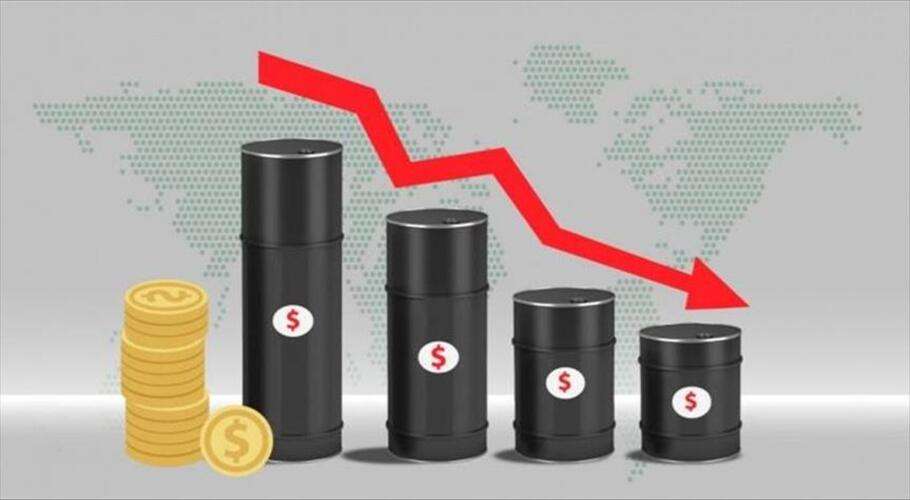
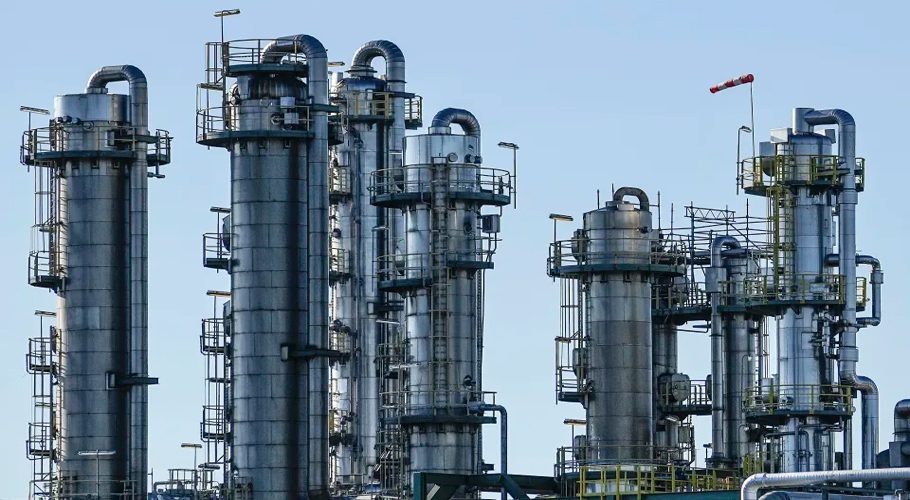
The price of gas is roughly double what it was in 2021, hurting companies that need it to keep glass or metal red-hot and molten 24 hours a day to make glass, paper and metal coatings used in buildings and cars.
A second blow came as key trade partner China experiences a slowdown after several decades of strong economic growth.
These outside shocks have exposed cracks in Germany’s foundation that were ignored during years of success, including lagging use of digital technology in government and business and a lengthy process to get badly needed renewable energy projects approved.